
Search is no longer just about ranking on Google. AI-powered answer engines like ChatGPT, Google AI Overviews, Perplexity, and Grok are reshaping how users discover brands and consume information. Industry forecasts predict a 25% drop in traditional search volume as AI chatbots take over discovery, making adaptation essential. If your content is not optimized for these new surfaces, you are invisible to a fast-growing segment of your audience. This guide covers the best ways to improve AI SEO and AI search visibility so your brand shows up where it matters most, whether that is a traditional SERP or an AI-generated answer.
What Is AI SEO?
AI SEO is the practice of optimizing your digital content so it is discovered, cited, and recommended by AI-powered search systems, not just traditional search engines. It encompasses both traditional search engine optimization and Generative Engine Optimization (GEO), the discipline of tailoring content to perform well in AI-generated responses.
Generative Engine Optimization (GEO) is the practice of structuring content so that large language models can easily parse, trust, and cite it in synthesized answers. Unlike traditional SEO, which focuses on earning clicks from a list of blue links, GEO focuses on earning mentions and citations within AI-generated answers.
Why AI Search Visibility Matters Now
The numbers tell a clear story. According to Evergreen Media's 2026 analysis, Google AI Overviews reduce organic clicks on the top result by an average of 34.5%. At the same time, over 65% of searches now result in zero clicks. Users are increasingly turning to ChatGPT, Perplexity, and Bing Copilot for complex queries because these systems deliver direct, synthesized answers instead of a list of links.
According to a Semrush 2026 study cited by ALM Corp, websites appearing in AI-generated answers receive 15 to 20% more organic traffic than similar sites not featured. The implication is straightforward: if you are not optimizing for AI search, you are leaving significant traffic and brand visibility on the table.
Traditional SEO vs. AI SEO
| Dimension | Traditional SEO | AI SEO / GEO |
|---|---|---|
| Primary goal | Rank in SERPs for clicks | Earn citations in AI answers |
| Key metric | Click-through rate, position | AI mention share, citation rate |
| Content format | Keyword-optimized pages | Conversational, structured, citable content |
| Authority signals | Backlinks, domain rating | Brand mentions, entity salience, structured data |
| User interaction | Click a link, browse a site | Read a synthesized answer, follow a citation |
Optimize Content for AI Citation
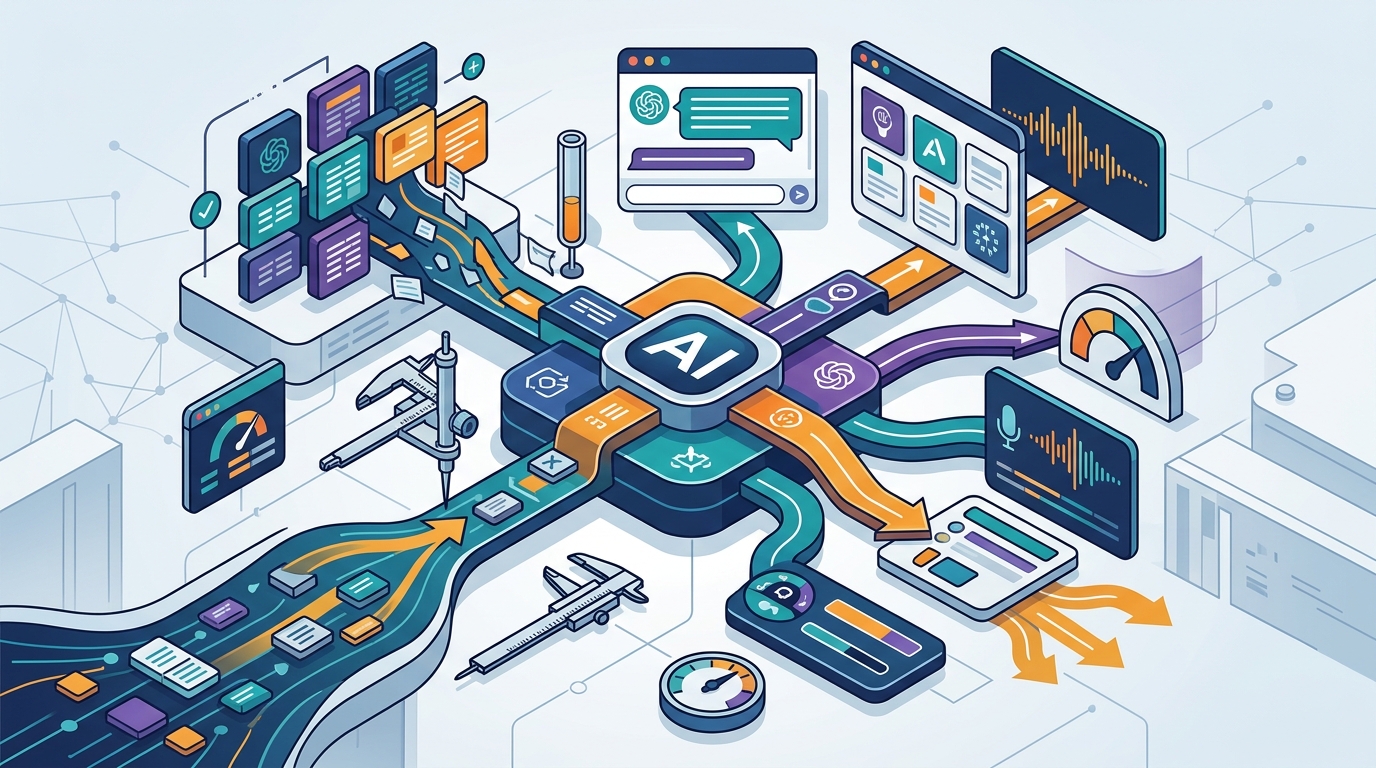
Making your content citable by AI systems requires a specific approach. According to Cytd's content optimization guide, content must be easily parsable, trustworthy, and structured for extraction.
Structure for Extraction
Use clear headings, bullet points, tables, definitions, and summaries. AI models pull information from well-organized content. Include FAQ sections, definitional sentences, and concise claim-evidence pairs that LLMs can quote directly.
Lead with Original Insights
In 2026, human-authored content with genuine insights outperforms generic AI output. Include original data, named experts, specific statistics, and updated publication dates. A hybrid approach that combines AI drafting efficiency with human editorial depth is the winning strategy, as research from Siana Marketing shows that 93% of marketers edit AI-generated content before publishing.
Map Content to Conversational Queries
Target question-based, long-tail queries that AI systems handle directly. Instead of a generic page on "SEO tips," produce specific, experience-driven content such as case studies and step-by-step guides. Understanding LLM citation patterns helps you write content that models are more likely to reference.
Technical SEO for AI Crawlers
Solid technical SEO ensures AI systems can access and understand your content. The fundamentals still matter, but new considerations have emerged for AI crawlers.
Key technical requirements include fast Core Web Vitals (LCP under 2.5 seconds, INP under 200 milliseconds), mobile-first design, comprehensive schema markup including FAQ and Article types, clean site architecture with logical internal linking, and optimized XML sitemaps. An emerging standard called llms.txt aims to guide LLM crawlbot behavior and make it easier for them to retrieve content before generating answers. Google has even added llms.txt checks to Chrome Lighthouse.
Structured data is no longer just about earning rich snippets. It contributes to a more predictable, structured, and retrievable data set that AI systems rely on when building answers. Implement schema markup for FAQs, HowTo, and Article types to maximize extraction potential.
Brand Building as a Ranking Signal
Brand salience is a measure of how strongly consumers associate your brand with a specific category or need. In the age of AI search, it has become a critical ranking factor.
Research shows that branded web mentions now correlate more strongly with AI Overview appearances than traditional backlinks or domain rating. This means digital PR, thought leadership, and consistent brand presence across platforms like LinkedIn, Reddit, and industry forums directly influence whether AI systems recommend your brand.
Your backlink and citation strategy should extend beyond link building to include earning brand mentions on platforms where LLMs source their knowledge. Build branded search volume through awareness campaigns and maintain a consistent entity identity across all digital properties.
Measuring AI Visibility
AI visibility measurement is the process of tracking how often and how prominently your brand appears in AI-generated answers across platforms like ChatGPT, Google AI Overviews, and Grok. Traditional rank tracking is no longer sufficient.
New metrics to track include AI mention share, citation rate, branded impressions in AI answers, and sentiment within AI-generated responses. Tools like Cytd specialize in measuring and improving AI citation visibility across multiple answer engines, giving brands a clear picture of their performance in this new landscape. You can explore your AI visibility score to benchmark where you stand today.
Key Takeaways
- AI search engines are rapidly growing, and optimizing for them is no longer optional for competitive brands.
- GEO (Generative Engine Optimization) focuses on earning citations in AI answers, not just clicks from SERPs.
- Structure content with clear headings, definitions, tables, and FAQ sections to maximize AI extraction potential.
- Brand mentions now outperform backlinks as a signal for appearing in AI Overviews.
- Technical SEO must expand to cover AI crawlers, llms.txt, and comprehensive schema markup.
- Measure success with new metrics: AI mention share, citation rate, and branded AI impressions.
- A hybrid content strategy combining AI drafting with human editorial review delivers the best results.
Frequently Asked Questions
What is the difference between SEO and AI SEO?
Traditional SEO focuses on ranking web pages in search engine results to earn clicks. AI SEO, also called GEO, focuses on making your content discoverable and citable by AI answer engines like ChatGPT, Google AI Overviews, and Perplexity. Both disciplines share foundational principles, but AI SEO places greater emphasis on structured content, brand authority, and conversational formatting.
How do AI answer engines choose which brands to cite?
AI systems tend to cite sources that are authoritative, well-structured, and frequently mentioned across the web. Strong brand signals, consistent entity data, and content that directly answers conversational queries improve your chances of being cited.
Is traditional SEO still important in 2026?
Yes. Google still processes billions of queries daily, far exceeding AI chatbot volume. However, AI search is growing rapidly, and the best strategy covers both traditional and AI search surfaces simultaneously.
What is Generative Engine Optimization (GEO)?
GEO is the practice of optimizing content so it is easily parsable, trustworthy, and citable by large language models. It involves structured formatting, authoritative sourcing, and conversational content design.
How can I measure my brand's AI visibility?
Platforms like Cytd track your brand's citation frequency and sentiment across multiple AI answer engines. Key metrics include AI mention share, citation rate, and branded impressions in AI-generated responses.
Does schema markup help with AI search?
Yes. Schema markup such as FAQPage, Article, and HowTo helps both traditional search engines and AI crawlers understand your content structure, increasing the likelihood of citation in AI answers.
How often should I update my AI SEO strategy?
Review your approach at least every two to three months. AI search platforms evolve quickly, and regular updates keep your content aligned with changing citation patterns and platform capabilities.
What role do backlinks play in AI SEO?
Backlinks remain valuable for traditional SEO, but brand mentions and entity-level signals are proving more influential for AI citation. Focus on earning both links and unlinked brand mentions across authoritative sources and community platforms.
Start Improving Your AI Visibility Today
The shift toward AI-powered search is accelerating. Every day you wait is a day your competitors gain ground in AI answer engines. Book a setup call with Cytd to measure your current AI visibility, identify gaps in your citation strategy, and build a roadmap to dominate AI search results across ChatGPT, Google AI, Grok, and beyond.