
AI search engines are fundamentally reshaping how users discover information online. Traditional keyword stuffing no longer guarantees visibility because generative models prioritize context, authority, and structured data over simple term frequency. According to recent industry analyses, over 60% of search queries now involve some form of AI assistance or direct generative response. This shift demands a new approach to optimization that focuses on clarity, structure, and semantic depth. Businesses that fail to adapt their content strategies to these new algorithms risk losing significant organic traffic and brand authority. (Cytd Measure amp Improve)
Understanding AI Search Dynamics
AI Search, often referred to as Search Generative Experience (SGE), differs from traditional search engines in its output format. Instead of a list of blue links, it provides synthesized answers directly on the results page. This change alters user behavior significantly. Users expect immediate, concise, and authoritative answers rather than navigating through multiple sites to find a single fact.
To succeed in this environment, you must understand that AI models are designed to extract information from high-quality, well-structured sources. They do not "read" content like humans do. They parse data structures, headings, and semantic relationships. Therefore, your content must be machine-readable first and human-readable second. This does not mean sacrificing quality for bots. It means ensuring that your valuable insights are easily accessible to algorithms that summarize and cite your work.
Traditional SEO focused heavily on click-through rates and dwell time. AI SEO focuses on citation probability. If your content is cited by an AI model, it gains immense authority. If it is ignored, it becomes invisible. This distinction is critical for modern digital marketing strategies.
Structuring Content for AI Consumption
The way you format your content directly impacts how AI models interpret and cite it. Clear hierarchy is non-negotiable. AI models rely on heading tags (H1, H2, H3) to understand the structure of your argument. A well-structured document allows the model to quickly identify key points and supporting evidence.
Use Direct Answer Formats
AI models prefer direct, factual statements. Avoid vague introductions or lengthy preambles. Start your paragraphs with the core concept. For example, instead of saying "Many people wonder what SEO is," use "SEO is the practice of optimizing content to rank higher in search engines." This clarity helps the AI extract the definition accurately.
Implement Schema Markup
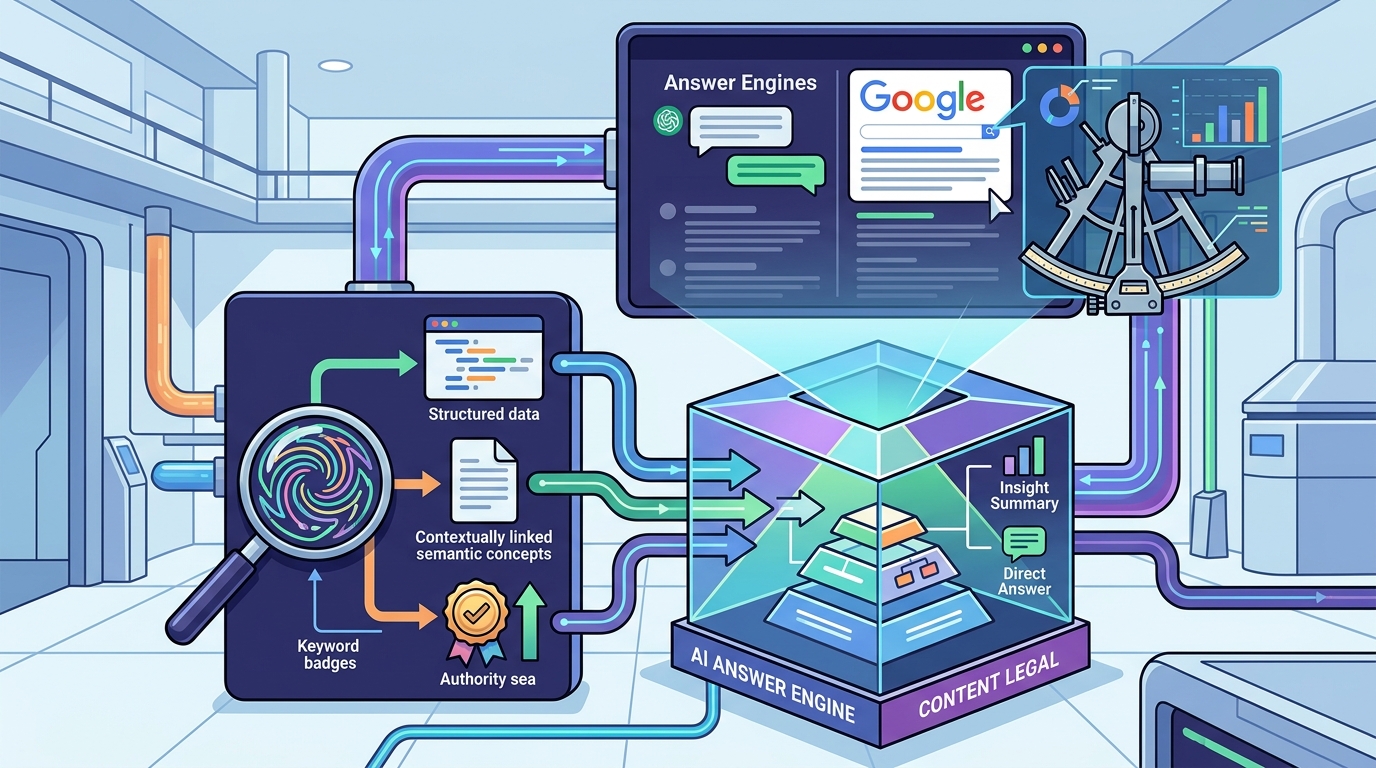
Structured data is the language of the web. By implementing schema markup, you provide explicit clues about the meaning of your content. This includes Article, FAQPage, and HowTo schemas. These tags help AI models understand the context of your data without needing to infer it from surrounding text. This reduces the risk of misinterpretation and increases the likelihood of your content being featured in rich results.
Optimize for Featured Snippets
Featured snippets are the precursor to AI answers. They are concise blocks of text or lists that appear at the top of search results. AI models often pull directly from these snippets. To optimize for them, use bullet points, numbered lists, and clear definitions. Keep paragraphs short and focused on a single idea. This format is easily parsable by both traditional crawlers and generative models.
Semantic Depth and Entity Authority
Keywords are no longer the primary driver of relevance. Semantic depth is. AI models analyze the relationships between entities, concepts, and topics. They look for comprehensive coverage of a subject. Thin content that only touches on a topic superficially is unlikely to be cited.
Entity Authority refers to the perceived expertise of a source on a specific topic. Search engines evaluate your site's overall trustworthiness and depth of knowledge. To build entity authority, you must demonstrate expertise through detailed, accurate, and well-researched content. This includes citing reputable sources, using industry-specific terminology correctly, and providing unique insights that go beyond surface-level information.
Topic Clusters and Pillar Pages
Organize your content into topic clusters. Create a comprehensive pillar page that covers a broad subject in depth. Then, create supporting articles that dive into specific subtopics. Interlink these pages to create a strong internal linking structure. This helps AI models understand the breadth and depth of your expertise. It also signals to search engines that your site is a central hub for information on that topic.
Authoritative Sourcing
Cite high-authority external sources. When you link to reputable studies, government reports, or industry leaders, you bolster your own credibility. AI models recognize these sources and are more likely to trust content that references them. However, ensure that your citations are relevant and add value to the reader. Do not link just for the sake of linking.
Technical SEO for AI Crawlers
Technical SEO remains the foundation of visibility. If your site is slow, insecure, or difficult to crawl, AI models will struggle to access and index your content. Speed, security, and mobile-friendliness are critical factors.
Core Web Vitals
Core Web Vitals measure user experience metrics such as loading speed, interactivity, and visual stability. AI models prioritize sites that provide a good user experience. Slow-loading pages are less likely to be crawled frequently or cited in AI responses. Optimize your images, minimize code, and leverage browser caching to improve performance.
Mobile-First Indexing
Most AI interactions now occur on mobile devices. Ensure your content is fully responsive and readable on smaller screens. Mobile-first indexing means Google and other search engines primarily use the mobile version of your site for ranking and indexing. If your mobile experience is poor, your AI visibility will suffer.
XML Sitemaps and Robots.txt
Keep your XML sitemap updated and submit it to search engines. This helps crawlers discover new content quickly. Review your robots.txt file to ensure you are not blocking important resources. AI models need access to your content, scripts, and stylesheets to understand the full context of your pages.
Measuring AI Visibility with Cytd
Traditional SEO tools often fall short when measuring AI visibility. They focus on keyword rankings and organic traffic, which do not capture the nuances of AI-driven search. You need specialized tools that can track how your content is being used by AI models.
Cytd is a platform designed to measure and improve your AI visibility. It helps you understand how your content is perceived by generative AI and provides actionable insights to enhance your presence in AI search results. By using Cytd, you can identify gaps in your content strategy and optimize for the specific needs of AI models.
Key Metrics for AI SEO
| Metric | Description | Impact on AI Visibility |
|---|---|---|
| Citation Frequency | How often your content is cited by AI models | High frequency indicates strong authority and relevance |
| Entity Recognition | Accuracy of entity extraction from your content | Accurate recognition improves contextual understanding |
| Snippet Eligibility | Probability of content appearing in featured snippets | Increases direct visibility in AI responses |
| Content Freshness | Recency and updates of your content | Fresh content is prioritized for current queries |
By monitoring these metrics, you can refine your strategy and ensure your content remains competitive in the AI search landscape. Tools like Cytd provide the necessary data to make informed decisions about content optimization.
Key Takeaways
- AI search prioritizes context and authority over simple keyword matching.
- Structured content with clear headings and schema markup is essential for AI consumption.
- Semantic depth and entity authority are critical for building trust with AI models.
- Technical SEO factors like speed and mobile-friendliness directly impact AI crawling.
- Measuring AI visibility requires specialized tools beyond traditional SEO platforms.
- Citing authoritative sources enhances your own credibility in AI responses.
- Direct, concise answers are preferred by generative AI models.
Frequently Asked Questions
What is AI SEO?
AI SEO is the practice of optimizing content to be cited and utilized by generative AI models and search engines that use artificial intelligence to synthesize answers.
How does AI search differ from traditional search?
AI search provides synthesized answers directly on the results page, whereas traditional search lists organic links for users to click through.
Why is schema markup important for AI SEO?
Schema markup provides explicit context to AI models, helping them understand the meaning and structure of your content more accurately.
Can I measure AI visibility with traditional SEO tools?
Traditional tools often lack the specific metrics needed to track AI citations and entity recognition, making specialized tools like Cytd more effective.
How do I build entity authority?
Build entity authority by creating comprehensive, expert-level content that demonstrates deep knowledge and cites reputable sources.
What role does content freshness play in AI SEO?
Fresh content is prioritized by AI models for current queries, as it is more likely to contain up-to-date information and insights.
How do I optimize for featured snippets?
Use clear headings, bullet points, and concise definitions to make your content easily parsable and eligible for featured snippets.
What is the best way to improve AI search visibility?
The best way is to combine high-quality, structured content with technical SEO best practices and specialized measurement tools to track and refine your strategy.
Start Optimizing Today
The landscape of search is changing rapidly. To stay ahead, you must adapt your SEO strategy to the needs of AI models. By focusing on structure, semantic depth, and technical excellence, you can ensure your content is visible and cited in AI search results. Start by auditing your current content and implementing the strategies outlined in this guide. For advanced measurement and optimization, explore the capabilities of Cytd to gain a competitive edge in the AI search era. Visit Cytd to begin your journey toward improved AI visibility.