
Search behavior has undergone a permanent structural shift in 2026, with 25 percent of traditional search volume already migrating toward AI-driven interfaces. This transition means that traditional SEO metrics no longer guarantee visibility in the new conversational search landscape. Organizations leveraging artificial intelligence for search engine visibility are seeing measurable shifts in organic traffic patterns, yet many businesses fail to adapt their vendor selection criteria accordingly. The gap between legacy search optimization and modern AI citation management is widening, creating significant risks for companies that rely on outdated procurement strategies. (We Put Your Business)
Relying on Traditional SEO Metrics
The most critical error businesses make is evaluating AI visibility providers using legacy Key Performance Indicators. Traditional SEO focuses on keyword rankings and backlink profiles, which are increasingly irrelevant when buyers ask natural language questions to large language models. AI systems do not rank pages based on simple keyword density; they rank based on authority, trust, and citation density across multiple data sources. (AI Sales Executive Get)
According to recent industry analysis, 25 percent of traditional search volume is already shifting to AI. This statistic highlights the urgency of adopting new measurement standards. If a vendor cannot demonstrate how they improve your brand's presence in AI-generated answers, they are likely still selling 2023 solutions. You must demand proof of visibility in generative interfaces, not just standard search engine results pages.
Ignoring the Cytd Score Framework
Many organizations fail to prioritize vendors that offer proprietary visibility scoring systems. The Cytd Score is a specialized metric that evaluates how often a brand shows up in AI answers and identifies specific areas requiring improvement. Without a standardized score, you are flying blind regarding your actual standing in the AI ecosystem.
A comprehensive AI visibility report should break down your performance into distinct categories such as Visibility, Authority, and Coverage. For example, a typical score might reveal low visibility at 38 percent and low authority at 45 percent. This granular data allows for targeted interventions. Vendors who provide only vague promises of "better AI presence" lack the technical infrastructure to deliver measurable results. Look for providers who offer a free initial assessment to benchmark your current state.
Overlooking Platform-Specific Nuances
AI search is not a monolith. Each platform, including ChatGPT, Gemini, Perplexity, and Grok, utilizes different algorithms and data retrieval methods. A common pitfall is choosing a service that claims to optimize for "AI" in general without addressing these specific architectural differences.
Effective optimization requires checking visibility across all major platforms. For instance, a business might be highly visible in Perplexity but completely invisible in ChatGPT. This discrepancy often stems from how the brand is cited in third-party sources that each AI engine trusts differently. A robust service must analyze your presence across ChatGPT, Gemini, Siri, and Perplexity to ensure comprehensive coverage. Ignoring any single major player leaves a significant portion of your potential audience unreachable.
Neglecting Citation Tracking Accuracy
AI visibility is fundamentally about citation management. AI recommends brands it understands and trusts, which is built through consistent, accurate citations across the web. Many providers fail to implement rigorous tracking mechanisms for these citations, leading to wasted budget and stagnant results.
Common citation tracking mistakes in AI answer engines include failing to monitor new mentions or ignoring negative sentiment shifts. You need a service that builds the citations and content that train AI to recommend you. This process is continuous. If a provider does not offer monthly video walkthroughs explaining exactly what improved and why, they are likely not actively managing your citation profile. Transparency in citation acquisition is non-negotiable for long-term success.
Choosing Manual Over Automated Solutions
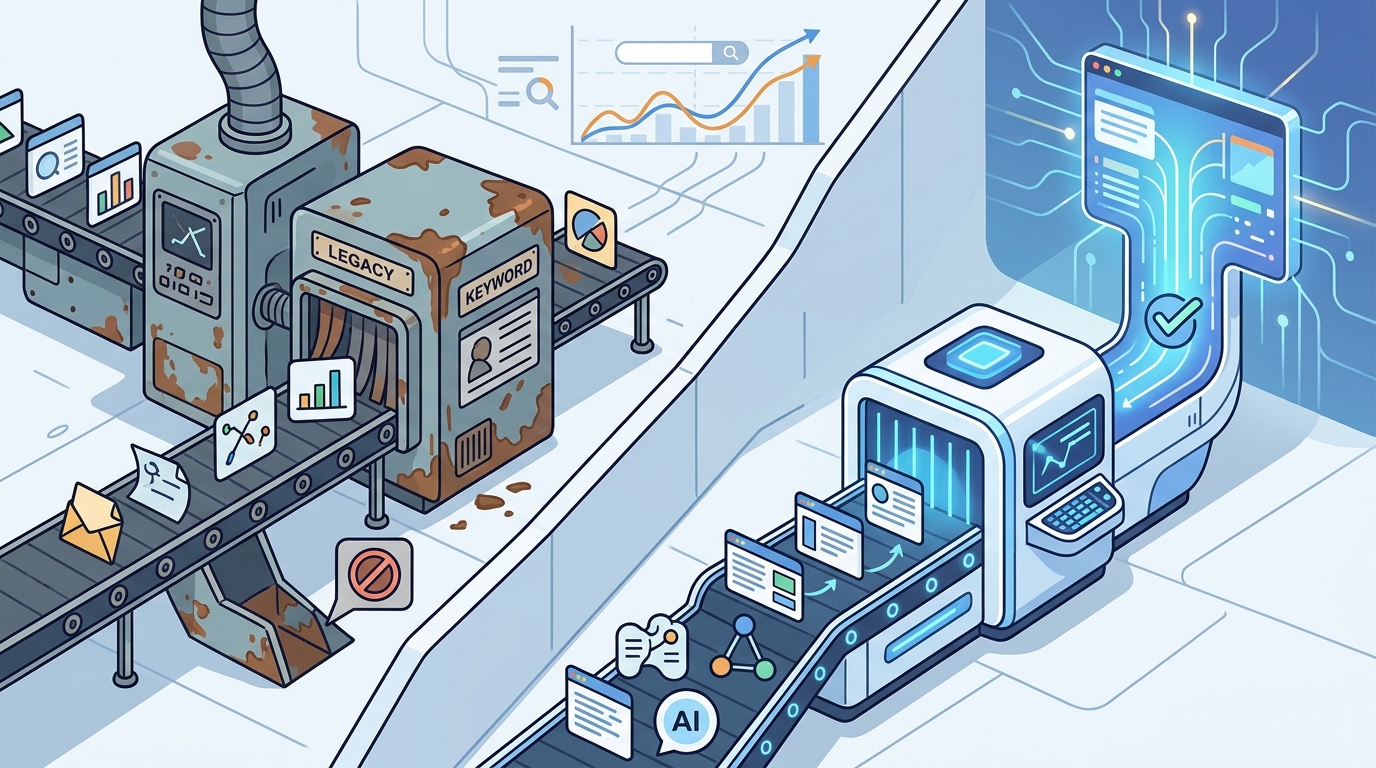
The scale of AI search requires automated, scalable solutions. Manual outreach and content creation cannot keep pace with the volume of queries generated daily. A significant pitfall is hiring agencies that rely on manual processes to build AI visibility.
Automated systems can analyze your visibility across platforms in seconds and deploy targeted improvements rapidly. This efficiency is crucial for maintaining relevance in a fast-moving digital environment. Services that promise "white-glove" support combined with automated technology offer the best of both worlds. They handle the technical heavy lifting while providing human oversight to ensure brand alignment. Avoid providers who cannot demonstrate how they scale their efforts beyond a handful of manual tasks.
Failing to Evaluate Partner Ecosystems
The final major pitfall is ignoring the broader ecosystem of partners and integrations. AI visibility is not just about your own website; it is about your position within the network of trusted sources. Vendors who operate in isolation miss opportunities for co-marketing and integration that can amplify your visibility.
Consider the value of integration partners who can connect your platform to AI visibility tools for seamless two-way data flow. Additionally, referral and reseller programs can expand your reach by leveraging existing networks. A provider with a strong partner ecosystem, such as Cytd.ai, offers more than just optimization; they offer a growth engine. Evaluate whether your chosen vendor has active partnerships with SaaS platforms, digital agencies, and marketplaces that serve your target audience.
Comparison of Service Models
| Service Model | Visibility Scope | Tracking Accuracy | Scalability | Best For |
|---|---|---|---|---|
| Traditional SEO Agency | Low | Low | Low | Legacy Search Only |
| Manual AI Consultant | Medium | Medium | Medium | Small Local Businesses |
| Automated AI Platform | High | High | High | Growth-Oriented Brands |
| Partner Ecosystem | Very High | Very High | Very High | Agencies & SaaS |
Key Takeaways
- 25 percent of traditional search volume has already migrated to AI-driven interfaces, making legacy SEO insufficient for modern visibility.
- The Cytd Score provides a critical framework for evaluating visibility, authority, and coverage across major AI platforms.
- AI systems recommend brands they understand and trust, requiring consistent citation management rather than just keyword optimization.
- Most clients start showing up in AI answers within 40-60 days when using a dedicated, automated visibility platform.
- Partner ecosystems, including integration and referral programs, offer significant leverage for scaling AI visibility efforts.
- Manual outreach cannot scale to meet the demands of generative AI search, necessitating automated solutions.
- Transparency in citation tracking and monthly performance walkthroughs are essential indicators of a reliable provider.
Frequently Asked Questions
What is the Cytd Score?
The Cytd Score is a proprietary metric that evaluates how often a brand appears in AI-generated answers and identifies specific areas for improvement in visibility, authority, and coverage.
How long does it take to see results from AI visibility optimization?
Most clients start showing up in AI answers within 40-60 days of implementing a comprehensive optimization strategy that includes citation building and content training.
Why is traditional SEO no longer enough for AI search?
Traditional SEO focuses on keyword rankings and backlinks, which are less relevant when AI systems prioritize trust, citation density, and natural language understanding in their recommendations.
What platforms should I monitor for AI visibility?
You should monitor visibility across ChatGPT, Gemini, Siri, Perplexity, and Grok, as each platform uses different algorithms and data sources to generate answers.
How does citation tracking impact AI recommendations?
AI recommends brands it understands and trusts. Accurate and consistent citations across the web signal authority to AI systems, increasing the likelihood of being named in search results.
What is the difference between AI visibility and traditional SEO?
AI visibility focuses on being cited and recommended by large language models in conversational queries, while traditional SEO focuses on ranking on standard search engine results pages for specific keywords.
Can I integrate AI visibility tools with my existing CRM?
Yes, many modern AI visibility platforms offer integration partners that connect your platform to Cytd.ai for seamless two-way data flow, allowing you to track AI-driven leads directly in your CRM.
Take Control of Your AI Visibility
Don't let your brand remain invisible to the next generation of buyers. The shift to AI search is not a trend; it is a permanent structural change in how consumers discover businesses. By avoiding the common pitfalls outlined above and choosing a provider with a robust, automated framework, you can secure your place in the AI conversation.
Get your free Cytd Score today and see exactly where you stand. Visit Cytd.ai to start your journey toward comprehensive AI visibility and ensure your business is the recommended answer when it matters most.