

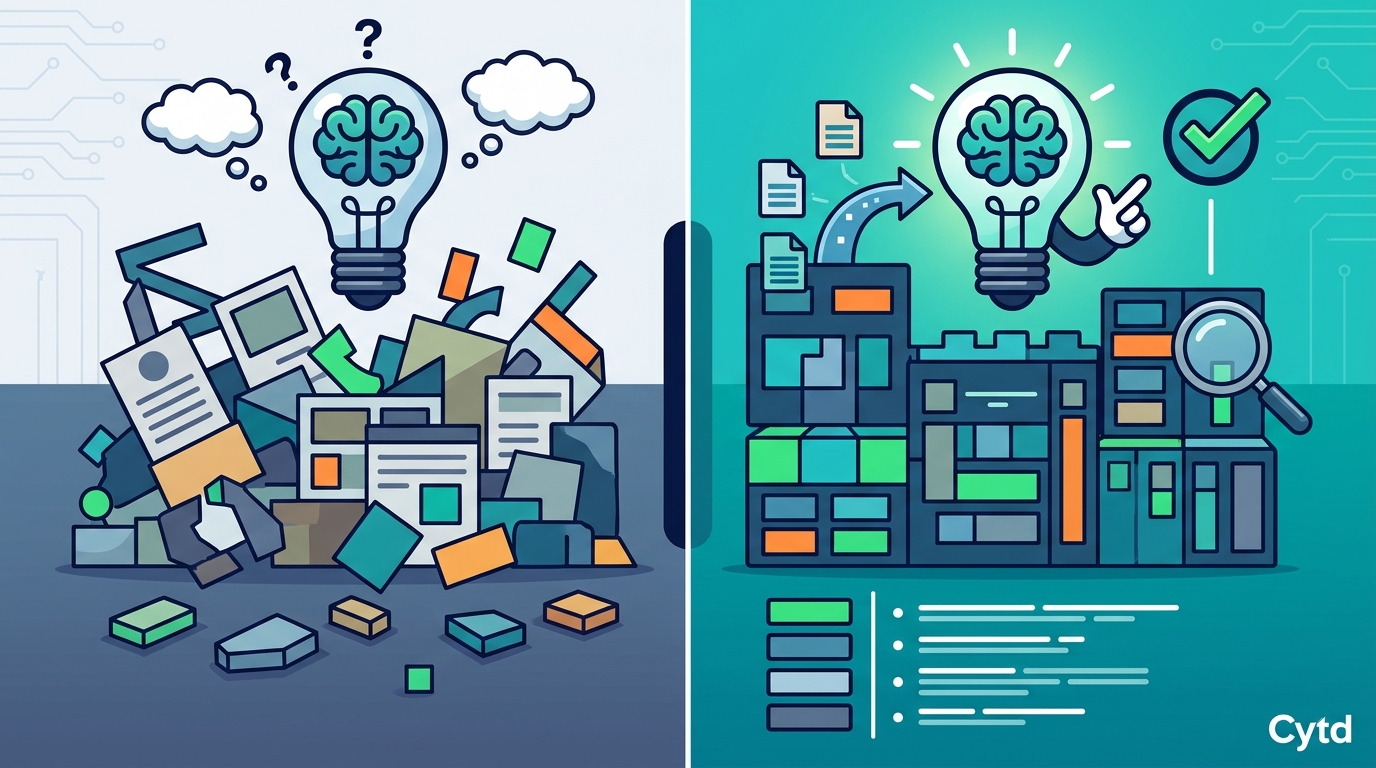
Structured data acts as a machine-readable layer that helps AI systems parse and verify business details. By formatting information into standardized schemas, you reduce ambiguity for large language models. This clarity increases the likelihood that ChatGPT can confidently cite your brand in its answers.
Defining Structured Data in the AI Era
Structured data is a standardized format for providing information about a page and classifying the page content. In the context of AI search, it serves as a bridge between human-readable text and machine interpretation. When a model processes a webpage, it looks for these signals to understand the entity being described. For additional details, review the Pricing 299 month everything.
Unlike traditional SEO, where keywords drive rankings, AI models rely on semantic understanding. They need to know exactly what a business is, where it is located, and what it offers. Structured data provides this context in a way that is easy for algorithms to extract. This reduces the chance of hallucination or omission in the final answer.
For example, a local dental practice might use LocalBusiness schema to define its address, hours, and services. This allows an AI assistant to verify the practice's existence and operational details without guessing. The more precise the data, the more reliable the citation.
How AI Models Parse Semantic Markup
Large language models do not "see" HTML tags in the same way browsers do. Instead, they process text and infer meaning from context. However, structured data provides explicit clues that help the model categorize information. This is particularly important for entities that have multiple attributes, such as a restaurant that serves both Italian and Mexican cuisine.
When a model encounters a page with rich schema, it can map the data to its internal knowledge graph. This mapping helps the model distinguish between similar businesses. For instance, if two gyms are located in the same city, structured data helps the model differentiate them by their specific offerings, such as yoga versus weightlifting.
This differentiation is crucial for recommendation. If the model cannot clearly distinguish between two options, it may choose to recommend neither. By providing clear, structured signals, you make it easier for the model to select your business as the best fit for a user's query.
Building Trust Through Machine-Readable Evidence
Trust is a key factor in AI recommendations. Models are designed to prioritize reliable and verifiable sources. Structured data contributes to this trust by providing consistent and accurate information. If a business's website, social media profiles, and directory listings all contain the same structured data, the model is more likely to trust that information.
Inconsistencies can lead to confusion and reduced visibility. For example, if a business lists different phone numbers on its website and its Google Business Profile, the model may flag this as a potential error. This can result in the business being excluded from recommendations. Consistency across all digital touchpoints is essential for building trust with AI systems.
Cytd helps businesses ensure this consistency by optimizing their structured data across all relevant platforms. This includes not just the website, but also social media and directory listings. By aligning these signals, businesses can improve their chances of being recommended by AI assistants.
Implementing Schema for AI Visibility
Implementing structured data requires a strategic approach. It is not enough to simply add schema to your website. You need to ensure that the data is accurate, complete, and consistent. This involves auditing your existing content and identifying gaps in your structured data.
Start by identifying the key entities that define your business. This might include your products, services, locations, and team members. For each entity, create a corresponding schema that describes its attributes. Use standard vocabularies, such as Schema.org, to ensure compatibility with AI models.
Once your schema is in place, monitor its performance. Use tools to track how often your business is cited by AI assistants. This data can help you identify areas for improvement. For example, if your business is frequently cited for one service but not another, you may need to adjust your schema to better highlight the underrepresented service.
Key Takeaways
- Structured data provides a machine-readable layer that helps AI systems parse and verify business details.
- AI models rely on semantic understanding, making structured data crucial for reducing ambiguity.
- Consistency across digital touchpoints builds trust with AI systems and improves recommendation likelihood.
- Implementing schema requires a strategic approach, focusing on accuracy, completeness, and consistency.
- Monitoring performance helps identify areas for improvement in your structured data strategy.
Frequently Asked Questions
Does ChatGPT read structured data directly?
ChatGPT processes text and infers meaning from context. While it does not "read" HTML tags directly, structured data provides explicit clues that help the model categorize information.
What is the most important type of schema for local businesses?
LocalBusiness schema is the most important for local businesses. It provides details about the business's location, hours, and services, which are crucial for AI recommendations.
How does structured data differ from traditional SEO?
Traditional SEO focuses on keywords and backlinks, while structured data focuses on semantic understanding and machine readability. AI models rely on structured data to understand the context of a page.
Can structured data guarantee that my business will be recommended by ChatGPT?
No, structured data does not guarantee recommendations. However, it increases the likelihood by providing clear and consistent information that AI models can trust.
How often should I update my structured data?
You should update your structured data whenever there are changes to your business information, such as new services, locations, or hours. Regular audits can help ensure that your data remains accurate and consistent.