
Tools That Create Tailored Content to Boost AI Citation Likelihood
Getting your brand cited by ChatGPT, Google AI Overviews, and Perplexity is no longer optional. AI-referred sessions jumped 527% year-over-year in the first half of 2025, according to Previsible's 2025 AI Traffic Report. Yet most brands remain invisible in AI-generated answers. The fix starts with the right tools. This guide breaks down the platforms and content strategies that help you create tailored, citation-friendly content so AI engines reference your brand when it matters most. Whether you need visibility scoring, content optimization, or full managed services, these tools cover every angle.
What Is AI Citation and Why Does It Matter?
AI citation is the practice of having your brand, data, or content referenced by an AI platform when it generates an answer to a user query. Unlike traditional search rankings that display a list of blue links, generative engines synthesize answers from multiple sources and attribute them inline. Generative Engine Optimization (GEO) is the discipline of structuring digital content to maximize its likelihood of being cited in these AI-generated responses.
The commercial impact is significant. LLM visitors convert at 15.9% from ChatGPT and 10.5% from Perplexity, compared to a 1.76% organic search conversion rate, according to Seer Interactive data compiled by Omnibound. Getting cited is not just a visibility play; it is a revenue driver.
How AI Engines Select Sources to Cite
AI platforms using Retrieval-Augmented Generation (RAG) first retrieve relevant documents and then generate responses citing selected sources. Several factors influence which content gets picked.
Structural Clarity and Fact Density
Research from Princeton, Georgia Tech, and IIT Delhi found that adding statistics to content is the single most effective GEO tactic, improving AI visibility by up to 41%. Content that leads with a direct answer in the first 200 words and includes verifiable data points every 150 to 200 words outperforms vague, opinion-heavy pages.
Authority Signals
Brand mentions correlate 3x more strongly with AI visibility than backlinks alone. Earned media placements, review platform profiles on sites like G2 and Trustpilot, and community mentions on Reddit all strengthen citation probability. Sites implementing clear authorship and data provenance see higher AI citation rates, as noted by Marketing LTB's 2026 GEO statistics roundup.
Technical Readiness
Schema markup is structured data vocabulary that tells AI exactly what your content means. Content with proper schema shows 30 to 40% higher visibility in AI-generated answers. Fast page load times matter too: pages with First Contentful Paint under 0.4 seconds average 6.7 AI citations versus just 2.1 for slower pages.
Top Tools for Creating Citation-Optimized Content
1. Cytd: Managed AI Visibility Platform
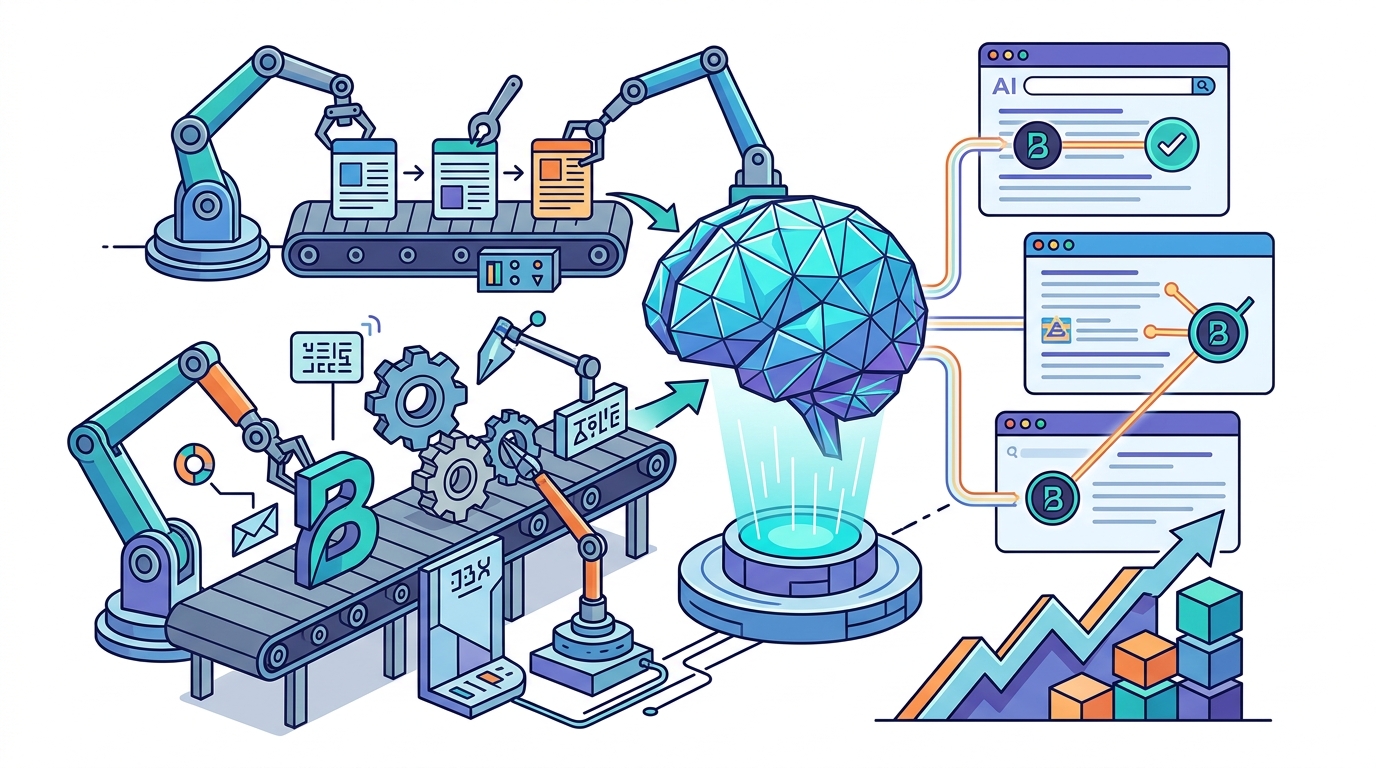
Cytd is a managed service platform that helps brands measure and improve their AI citation visibility across ChatGPT, Google AI, Grok, Gemini, Perplexity, and Siri. Built around three core scoring factors, Visibility, Compliance, and Relevance, Cytd provides a single actionable score that quantifies your brand's AI search presence. The platform publishes content designed to get your brand cited and optimizes your data across every platform. Most businesses see their first improvements within 30 days of signing up. You can explore Cytd's pricing plans to find the tier that fits your needs.
2. Frase: AI Content Optimization
Frase helps content teams research, outline, and optimize articles for search intent. Its content scoring tools help writers hit the fact density and structural clarity that AI engines prefer. It is especially useful for creating the question-and-answer formats that generative engines frequently cite.
3. SurferSEO: On-Page Structure Optimization
SurferSEO analyzes top-performing content and provides structure recommendations including heading hierarchy, keyword density, and content length. These structural signals help AI systems parse and extract citable content more efficiently.
4. Schema Markup Generators
Tools like Google's Structured Data Markup Helper and Merkle's Schema Generator help implement FAQPage, Article, and Organization schema. FAQ schema pages get disproportionately more AI citations in many verticals, making schema implementation a high-impact, low-effort win.
5. Digital PR and Earned Media Platforms
Platforms such as Connectively (formerly HARO) and Muck Rack help brands earn third-party mentions. Distributing content across a wide range of publications increases AI citations by up to 325% compared to publishing only on your own site.
Tool Comparison Table
| Tool | Primary Function | AI Citation Focus | Managed Service | Best For |
|---|---|---|---|---|
| Cytd | AI visibility scoring, content publishing, citation optimization | Direct | Yes | Brands wanting hands-off AI citation growth |
| Frase | Content research and optimization | Indirect | No | Content teams building citation-ready articles |
| SurferSEO | On-page content structure | Indirect | No | SEO teams adding GEO layers |
| Schema generators | Structured data implementation | Direct | No | Developers adding machine-readable markup |
| Digital PR platforms | Earned media outreach | Direct | No | Brands building external authority signals |
Content Strategies That Drive AI Citations
Tools alone do not guarantee citations. How you structure and distribute your content is equally important.
Lead With Direct Answers
AI retrieval systems evaluate a page's relevance primarily on its opening content. The first 200 words of any article should directly and completely answer the primary query. Build depth below the fold, not before the answer.
Include Original Data and Definitions
Definitional sentences using clear "X is Y" patterns are highly citable. Pair them with original statistics, named entities, and timestamped data. The Princeton GEO study confirmed that quotation and statistics additions show strong performance improvements across all citation metrics.
Publish Across Multiple Channels
Publishing only on your own domain limits your citation ceiling. Brands that combine owned content with earned media placements, review profiles, and community participation on platforms like Reddit see dramatically higher citation rates. Cytd's partner program helps agencies extend this multi-channel approach to their clients with competitor tracking and monthly performance walkthroughs.
Measuring AI Citation Success
A citation visibility score is a composite metric that measures how often and how prominently your brand appears in AI-generated answers. Cytd's scoring system evaluates performance across Visibility, Compliance, and Relevance to give brands a clear benchmark.
Beyond platform scores, track these KPIs monthly: brand mention count across ChatGPT, Perplexity, and Gemini; AI referral traffic in GA4; citation sentiment (positive recommendation versus neutral mention); and citation share of voice against competitors. GEO now represents 12% of average digital marketing budgets, with 32% of digital leaders declaring it their top priority for 2026, according to MarTech data reported by Marketing Agent Blog.
Key Takeaways
- AI citation is a measurable, high-conversion channel with LLM visitors converting at rates up to 9x higher than organic search.
- Adding statistics and direct-answer formatting can boost AI visibility by up to 41%.
- Schema markup increases AI citation likelihood by 30 to 40%.
- Cytd offers a managed service that scores, optimizes, and publishes content to grow AI citations across ChatGPT, Google AI, Grok, and more.
- Earned media and third-party mentions drive up to 325% more AI citations than self-publishing alone.
- Content with strong E-E-A-T signals, including named authors, cited sources, and fresh data, earns preferential treatment from generative engines.
- Measuring citation share of voice monthly is the foundational GEO KPI for 2026.
Frequently Asked Questions
What is Generative Engine Optimization (GEO)?
Generative Engine Optimization is the practice of structuring digital content to maximize its likelihood of being cited as a source when AI platforms like ChatGPT, Google AI Overviews, and Perplexity generate responses to user queries.
How is GEO different from traditional SEO?
Traditional SEO optimizes for ranking positions in a list of links. GEO optimizes for inclusion and attribution inside AI-synthesized answers. Strong SEO fundamentals support GEO, but GEO adds specific requirements around content structure, fact density, and schema markup.
What tools help improve AI citation rates?
Platforms like Cytd provide managed AI visibility services that score, optimize, and publish content for citation growth. Content optimization tools like Frase and SurferSEO, schema generators, and digital PR platforms also play important roles in a complete GEO strategy.
How long does it take to see AI citation improvements?
Initial visibility gains can appear within 2 to 4 weeks, faster than traditional SEO timelines of 3 to 6 months. Cytd reports that most businesses see first improvements within 30 days. However, sustained authority builds over months as external mentions compound.
Does GEO replace SEO?
No. GEO complements SEO. You still need crawlable, high-quality pages and backlinks. GEO adds the entity, structure, and measurement layers that make your brand show up and get credited in AI answers. Over 76% of AI Overview citations also rank in Google's top 10.
What content formats get cited most by AI?
Comparison articles account for 32.5% of AI citations according to Princeton research. FAQ pages, data-rich guides with statistics every 150 to 200 words, and articles with clear definitional sentences also perform well across generative engines.
How do I measure AI citation performance?
Track brand mention count across major AI platforms monthly, monitor AI referral traffic in GA4, measure citation sentiment, and calculate your citation share of voice against competitors. Cytd automates this with its Visibility, Compliance, and Relevance scoring framework.
Is AI citation relevant for small businesses?
Yes. Most SMB marketing teams have not started GEO yet, which creates a significant first-mover advantage. Cytd's partner program specifically targets local businesses, helping them get found in ChatGPT, Gemini, Siri, and Perplexity results.
Start Growing Your AI Citations Today
The competitive window for AI citation optimization is open right now. Brands that invest in GEO in 2026 will be the brands that AI systems cite for years to come. Check your free AI Visibility Score on Cytd and see exactly where your brand stands across ChatGPT, Google AI, Grok, and other answer engines. One scan is all it takes to start.