
Companies face a shifting landscape where generative AI reshapes user behavior. Organizations must adapt their optimization tactics to capture this emerging traffic source. AI visibility is the measure of how frequently a brand's content appears in AI-generated responses across platforms like Google AI Overviews and chatbots. Businesses that ignore this shift risk losing relevance in the next generation of search. This guide outlines the essential steps to secure your brand's presence in AI-driven results.
Understanding AI Search Algorithms
AI search engines operate differently from traditional keyword matching. They synthesize information to provide direct answers. Generative Engine Optimization is the practice of structuring content to be easily parsed and cited by large language models. These systems prioritize authoritative, well-structured data over simple keyword density. Companies must focus on clarity and comprehensiveness to ensure their content is selected as a source. AI models evaluate the trustworthiness of a domain before citing it. Establishing domain authority remains critical for long-term visibility.
Traditional SEO focuses on ranking for specific queries. AI visibility requires answering the underlying intent behind those queries. Search engines now reward content that provides complete, nuanced explanations. Brands should analyze how AI tools interpret their industry topics. This analysis reveals gaps in current coverage. Addressing these gaps positions your content as a primary reference. Explore Cytd features to see how automated tracking can identify these opportunities.
Structuring Content for AI Overviews
AI systems prefer content that is easy to extract and summarize. Writers must adopt a clear hierarchy of information. Use concise headings to break down complex topics. AI crawlers scan headings to understand the structure of your page. A logical flow helps these systems identify key points. AI Overview is a feature that displays synthesized answers at the top of search results. Optimizing for this feature requires direct, factual statements.
Use Direct Answer Formats
Start paragraphs with clear claims. Follow claims with supporting evidence. AI models favor content that mirrors this pattern. Avoid vague language or excessive qualifiers. Provide specific details, numbers, and examples. This approach increases the likelihood of your content being cited. Structured data also plays a role here. Schema markup helps AI systems understand the context of your content.
Optimize for Citability
AI tools look for authoritative sources to back their answers. Your content should include references to credible studies or industry standards. This signals to AI systems that your page is a reliable source. Include links to external resources where appropriate. This builds a network of trust. Review Cytd pricing to find a plan that fits your optimization needs.
Technical Signals for AI Crawlers
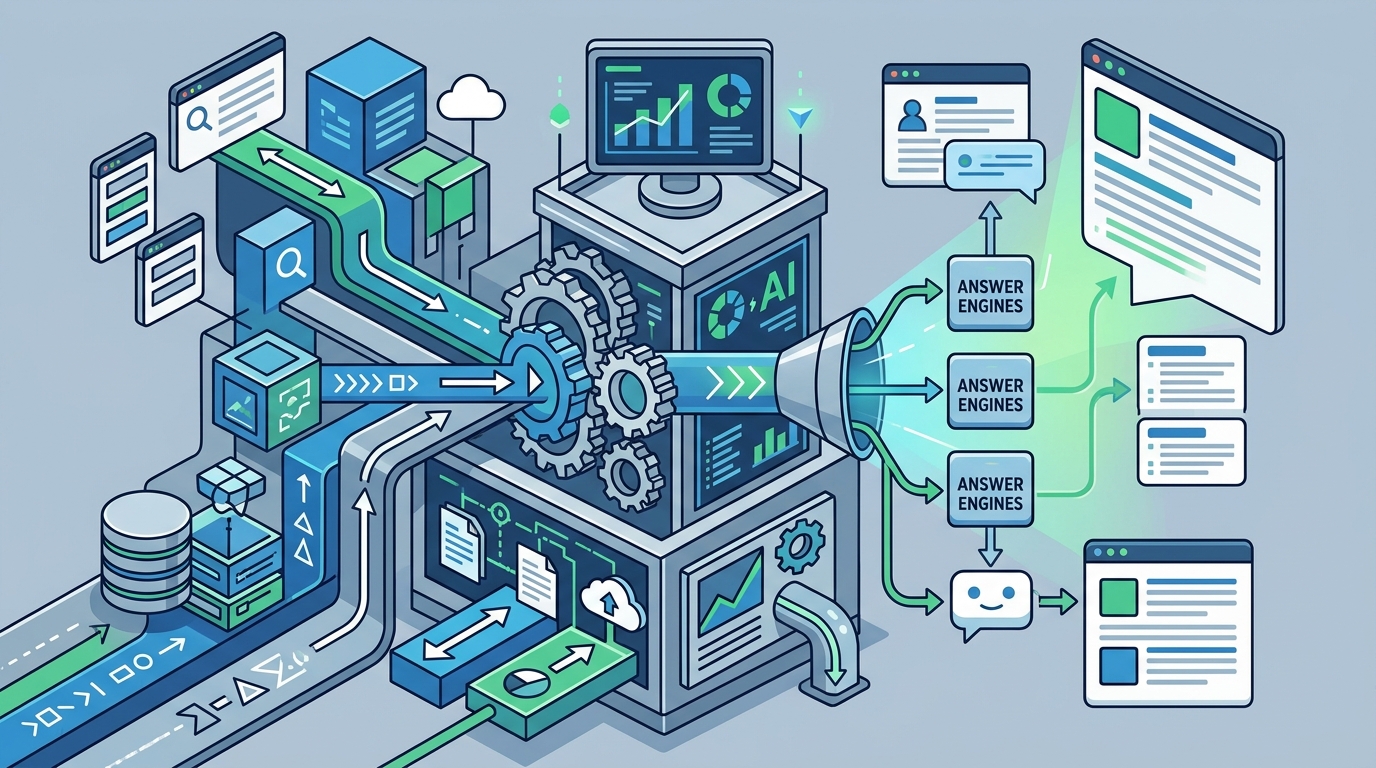
Technical SEO remains the foundation of AI visibility. AI crawlers need to access and index your content efficiently. Slow page speeds or broken links can prevent AI systems from reading your pages. Ensure your site uses HTTPS and has a secure connection. Mobile responsiveness is also essential. AI users often access information via mobile devices. A poor mobile experience reduces the chance of your content being selected.
Implement Structured Data
Structured data provides explicit clues about the meaning of a page. Use JSON-LD format to mark up your content. Common schemas include FAQ, HowTo, and Article. These schemas help AI systems extract specific information. They also increase the chance of your content appearing in rich results. Regularly audit your structured data for errors. Tools like Cytd can automate this process. Book a demo to learn how automation saves time.
Improve Site Architecture
A clear site architecture helps AI crawlers navigate your content. Use internal links to connect related topics. This creates a semantic web of information. AI systems follow these links to understand relationships between concepts. Group content by topic clusters rather than broad categories. This approach reinforces topical authority. Ensure your robots.txt file allows crawling of important pages. Blocking AI crawlers can result in zero visibility.
Measuring Performance with AI SEO Tools
Tracking AI visibility requires specialized tools. Traditional analytics focus on clicks and impressions. AI visibility metrics track mentions and citations. You need to monitor how often your brand appears in AI-generated answers. This data helps you refine your strategy. Visit Cytd to start measuring your AI visibility today.
Track Brand Mentions
Monitor your brand name and key products in AI responses. Use tools to scan AI Overviews and chatbot outputs. Identify which pieces of content are being cited. Analyze the context of these mentions. Positive mentions can drive significant traffic. Negative or missing mentions indicate optimization gaps. Regular reporting helps you stay ahead of changes.
Analyze Competitor Presence
See where your competitors appear in AI results. Identify their strengths and weaknesses. Look for patterns in their content structure. Use this information to find opportunities. If a competitor is missing a key topic, create superior content. This strategy helps you capture market share. Contact our team for custom reporting solutions.
Common Mistakes to Avoid
Many companies make errors that hurt their AI visibility. Avoid these pitfalls to maintain your rankings. Keyword stuffing is one such error. AI systems detect and penalize unnatural language. Focus on natural, helpful content. Another mistake is ignoring mobile users. AI interactions often happen on mobile devices. A non-responsive site will fail to capture this traffic.
Neglecting Freshness
AI models prioritize up-to-date information. Stale content is less likely to be cited. Regularly update your pages with new data. Add recent case studies or industry trends. This signals to AI systems that your content is current. Outdated information can damage your credibility. Keep your content library fresh and relevant.
Ignoring User Intent
AI systems aim to satisfy user intent. Content that fails to answer the user's question will be ignored. Focus on solving problems for your audience. Provide actionable advice and clear solutions. Avoid fluff or unnecessary jargon. User satisfaction drives engagement and citations. Prioritize the user's needs in every piece of content.
Implementation Roadmap
Boosting AI visibility requires a structured approach. Follow this roadmap to implement changes effectively. Start with a comprehensive audit of your current presence. Identify gaps in your AI visibility. Then, prioritize your optimization efforts.
Audit and Analyze
Use AI SEO tools to scan your website. Identify pages that are missing from AI results. Analyze your competitors to find opportunities. This audit provides a baseline for your efforts. Track your progress over time. Adjust your strategy based on data insights.
Optimize and Iterate
Implement the structural and technical changes outlined in this guide. Update your content to improve citability. Monitor your results regularly. Make adjustments based on performance data. Continuous improvement is key to long-term success. Stay informed about changes in AI algorithms. Adapt your strategy to remain competitive.
Scale Your Efforts
Once you see results, scale your optimization efforts. Apply successful strategies to more content. Expand your topic clusters. Increase your content production. Use automation to manage large-scale optimization. This approach maximizes your ROI. Schedule a consultation to discuss scaling your AI SEO.
AI SEO Strategy Comparison
| Strategy | Impact on AI Visibility | Implementation Effort | Recommended Tools |
|---|---|---|---|
| Structured Data Implementation | High | Medium | Cytd, Schema Markup Generators |
| Direct Answer Formatting | High | Low | Content Optimization Tools |
| AI Visibility Tracking | Medium | Medium | Cytd, AI Search Monitors |
| Mobile Optimization | Medium | High | Mobile Testing Tools |
Key Takeaways
- AI visibility is the measure of how frequently a brand's content appears in AI-generated responses across platforms like Google AI Overviews and chatbots.
- Generative Engine Optimization is the practice of structuring content to be easily parsed and cited by large language models.
- AI Overview is a feature that displays synthesized answers at the top of search results.
- Structuring content with clear headings and direct answers improves citability.
- Technical signals like structured data and site speed are critical for AI crawlers.
- Measuring AI visibility requires specialized tools that track mentions and citations.
- Cytd provides comprehensive solutions to measure and improve your AI visibility.
Frequently Asked Questions
What is AI visibility?
AI visibility is the measure of how frequently a brand's content appears in AI-generated responses across platforms like Google AI Overviews and chatbots. It reflects your brand's presence in the new search landscape.
How does Generative Engine Optimization work?
Generative Engine Optimization is the practice of structuring content to be easily parsed and cited by large language models. It involves using clear language, structured data, and authoritative sources to increase the likelihood of being selected.
What is an AI Overview?
An AI Overview is a feature that displays synthesized answers at the top of search results. It combines information from multiple sources to provide a direct answer to the user's query.
How can I measure my AI visibility?
You can measure your AI visibility using specialized tools that track mentions and citations in AI-generated responses. Tools like Cytd automate this process to save time and provide accurate data.
What are the best practices for AI SEO?
Best practices include using direct answer formats, implementing structured data, improving site speed, and optimizing for mobile devices. Focus on providing high-quality, authoritative content that satisfies user intent.
Why is mobile optimization important for AI visibility?
Mobile optimization is important because AI users often access information via mobile devices. A poor mobile experience reduces the chance of your content being selected. Ensure your site is responsive and fast on all devices.
How often should I update my content for AI SEO?
You should update your content regularly to ensure it remains current and relevant. AI models prioritize up-to-date information. Add recent data, case studies, and trends to your pages to maintain freshness.
Ready to Boost Your AI Visibility?
Take control of your brand's presence in AI-driven search results. Our team at Cytd specializes in helping companies measure and improve their AI visibility. We provide the tools and expertise you need to succeed. Visit our contact page to schedule a consultation. Let us help you secure your brand's future in the age of AI.