
Generative AI models are fundamentally reshaping how consumers discover information. Recent industry analysis indicates that 25% of all search volume has already shifted toward AI-generated responses. If your brand is not cited in these responses, you are invisible to a growing segment of potential customers. This guide details the precise technical and strategic steps required to train large language models to recognize and recommend your business. (Home Cytd)
Understanding AI Citation Mechanics
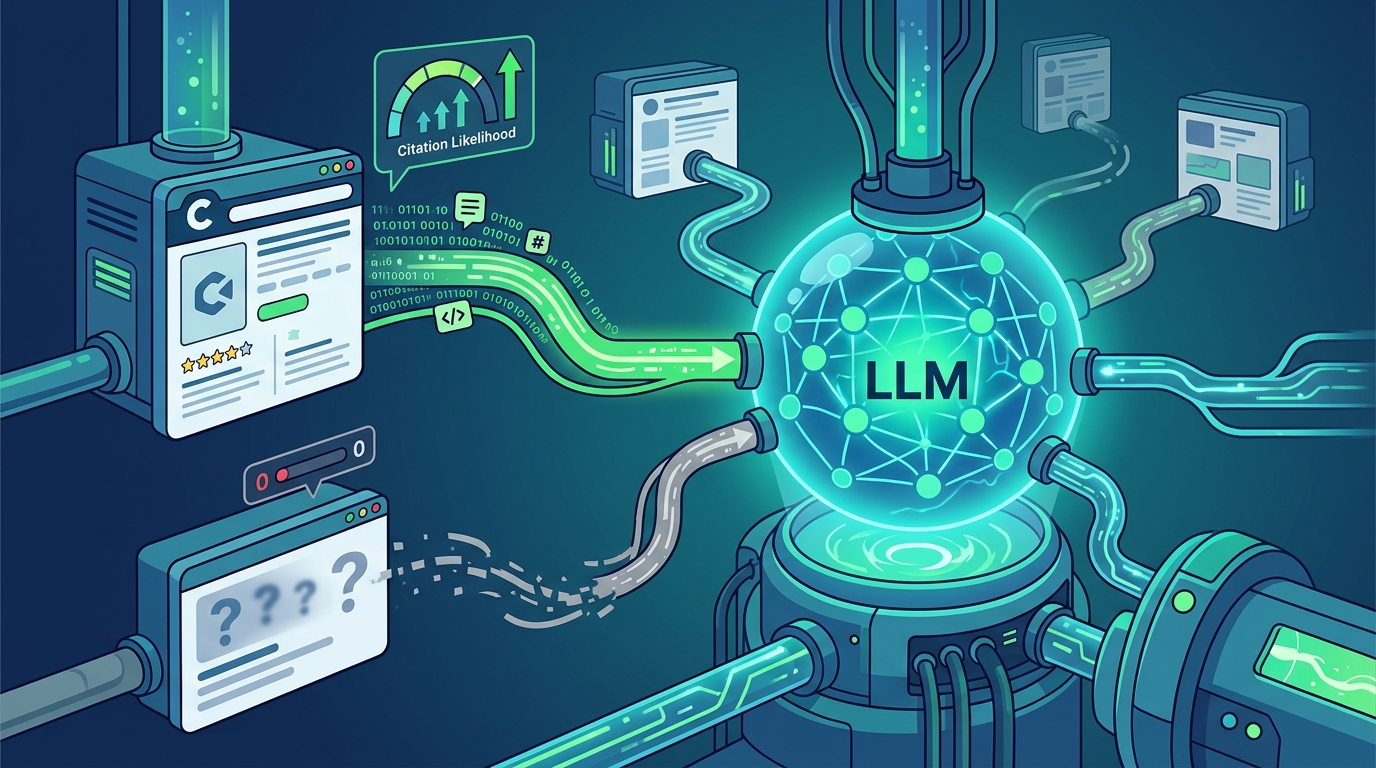
AI citation visibility is the metric that determines how often your brand appears as a source in generative AI responses. Unlike traditional search engine optimization, which focuses on ranking for human clicks, this new paradigm requires algorithms to directly answer user queries with your brand as the primary recommendation. When buyers ask AI who to choose, the model relies on a complex web of data signals to form its shortlist. (cytd ai Blog)
AI recommends brands it understands and trusts. When those signals are thin, it plays it safe and names someone else. The risk is that you never see this happen in your analytics. The lost sale looks like it never existed. That is the part that costs the most. To combat this, you must ensure your brand is explicitly defined and easily accessible to AI crawlers and reasoning engines. (AI Sales Executive Get)
Technical Infrastructure for AI Readiness
The first step in increasing citation likelihood is ensuring your digital infrastructure is optimized for machine consumption. AI models parse structured data to understand entity relationships and attributes. Without this clarity, the model may misinterpret your business or omit it entirely.
Implement Structured Data
Structured data, often referred to as schema markup, provides explicit clues about the meaning of a page. You must implement Organization schema, LocalBusiness schema, and Product or Service schemas where applicable. This helps AI systems connect your brand to specific categories and locations. For example, if you are a mobile app development agency, your schema should explicitly define your service offerings and geographic coverage.
Optimize for AI Crawlers
Ensure your robots.txt file and sitemap.xml are configured to allow AI crawlers to index your content. Many traditional SEO strategies focus on blocking low-value pages, but in the age of AI, every page can serve as a citation source. Make sure your core service pages, case studies, and thought leadership content are fully accessible to AI agents.
Content Strategy for AI Consumption
Content that is easily understood by AI is more likely to be cited. This requires a shift from writing solely for human readability to writing for both human and machine comprehension.
Direct and Definitive Language
AI models favor clear, direct statements over ambiguous prose. Use definitive language to describe your services. For instance, instead of saying "We might be able to help with your app needs," state "We provide custom mobile app development services." This reduces the cognitive load on the AI model when extracting information.
Answer Common Queries Explicitly
Identify the questions your customers ask before they find you. Create dedicated content that answers these questions directly. For example, if potential clients ask "What makes a trustworthy mobile app developer?" create a page that lists your trust signals, such as certifications, client testimonials, and technical expertise. This content serves as a training ground for AI to associate your brand with these positive attributes.
Update Content Regularly
AI models prioritize fresh and relevant information. Regularly update your website content to reflect current services, technologies, and industry trends. Outdated content is less likely to be cited in current AI responses. Aim to refresh key pages quarterly to maintain high relevance scores.
Building Authority Signals
Authority is a critical factor in AI citation. AI models assess the credibility of a source by analyzing its digital footprint. Building a robust authority profile involves multiple dimensions.
Digital PR and Mentions
Secure mentions in reputable industry publications and news outlets. When authoritative sources discuss your brand, AI models use these references to validate your credibility. Focus on getting cited in contexts that highlight your expertise, such as case studies, expert commentary, and industry reports.
Consistent Business Information
Ensure your business name, address, and phone number (NAP) are consistent across all online directories and platforms. Inconsistencies can confuse AI models and reduce their confidence in your brand. Claim and optimize your profiles on major platforms like Google Business Profile, Bing Places, and industry-specific directories.
Customer Reviews and Testimonials
Positive reviews serve as strong authority signals. Encourage satisfied customers to leave reviews on relevant platforms. AI models analyze the sentiment and volume of reviews to determine brand trustworthiness. A high volume of positive reviews increases the likelihood of your brand being recommended in AI responses.
Monitoring and Measurement
You cannot improve what you do not measure. Monitoring your brand's visibility in AI search results is essential for identifying gaps and tracking progress.
Use AI Visibility Tools
Utilize specialized tools to track how often your brand is mentioned in AI responses. These tools provide insights into your AI visibility score, authority metrics, and coverage across different AI platforms. For example, Cytd.ai offers a comprehensive platform to monitor and improve your brand's presence in AI search results.
Analyze Competitor Visibility
Monitor your competitors' AI visibility to identify opportunities and threats. If competitors are being cited more frequently, analyze their content and authority signals to understand what is working. Use this data to refine your own strategy and close the gap.
Track Citation Sources
Identify which sources AI models are citing most frequently. If certain publications or platforms are consistently used as references, prioritize building relationships and content within those ecosystems. This targeted approach maximizes your impact on AI citation likelihood.
Key Takeaways
- AI Search Shift: 25% of search volume has shifted to AI-driven interfaces, making visibility critical.
- Structured Data: Implementing schema markup is essential for AI understanding of your business entity.
- Direct Language: Use clear, definitive statements to reduce AI cognitive load and improve extraction accuracy.
- Authority Building: Consistent NAP information and positive reviews significantly boost trust signals.
- Monitoring: Regular tracking of AI visibility scores helps identify gaps and measure ROI.
- Content Freshness: Updating content quarterly ensures relevance in AI model training data.
- Competitor Analysis: Benchmarking against competitors reveals actionable opportunities for improvement.
Frequently Asked Questions
How long does it take to see results in AI citations?
Most clients start showing up in AI answers within 40-60 days after implementing comprehensive visibility strategies. This timeline depends on the current state of your digital footprint and the competitiveness of your industry.
Is AI citation visibility the same as traditional SEO?
No. Traditional SEO focuses on ranking for human clicks on search engine results pages. AI citation visibility focuses on being selected as a source by generative AI models when answering user queries. The metrics and strategies differ significantly.
What is the Cytd Score?
The Cytd Score is a metric that shows how often your brand shows up in AI answers and what needs fixing. It provides a breakdown of visibility, authority, and coverage to help you prioritize improvements.
Do I need technical skills to improve AI citations?
While technical skills help, many aspects of AI citation improvement can be managed through strategic content and PR efforts. Platforms like Cytd.ai offer managed services to handle the technical complexities for you.
How does AI determine brand trustworthiness?
AI models assess trustworthiness by analyzing the volume and quality of mentions, the authority of citing sources, customer reviews, and the consistency of business information across the web.
Can small businesses benefit from AI citation optimization?
Yes. Local businesses are particularly vulnerable to invisibility in AI search. Optimizing for AI citations ensures that when customers ask for recommendations, your business is included in the shortlist.
What is the cost of AI visibility tools?
Costs vary by provider and feature set. Some platforms offer free initial assessments, while others provide comprehensive monthly subscriptions. It is important to choose a tool that aligns with your specific business needs and budget.
Get Your Brand Cited Today
Don't let your competitors dominate AI search results. Take control of your brand's visibility and ensure you are the recommended answer when customers ask AI for recommendations. Get your free Cytd Score today to discover how invisible you are and start the journey to AI citation dominance.