
AI assistants cite your business when they recommend you in response to user queries. You can verify this by manually prompting major AI engines with questions your customers actually ask. This guide explains how to test your visibility, interpret the results, and use structured data to improve your chances of being cited by large language models.
Manual Prompt Testing
Manual prompt testing is the most direct way to check if AI assistants are citing your business. It involves asking AI models the same questions your potential customers would ask. This method gives you immediate, qualitative feedback on how your brand appears in generated answers.
Choosing the Right Questions
Start by identifying the specific problems your business solves. Instead of generic keywords, use natural language questions. For example, if you run a dental clinic, ask, "Who is the best family dentist in [City]?" or "Which dental office in [City] handles emergency care?" These questions mimic real user intent and help you see if the AI recognizes your specific value proposition.
Testing Across Multiple Platforms
Different AI engines use different data sources and ranking algorithms. You should test your prompts on at least three major platforms. Common choices include ChatGPT, Gemini, and Perplexity. Each platform may cite different sources or prioritize different types of content. By testing across multiple engines, you get a more complete picture of your overall AI visibility.
Documenting Your Results
Keep a simple log of your tests. Record the exact prompt, the date, the platform, and whether your business was mentioned. Note if the AI cited your website directly or mentioned your brand name without a link. This documentation helps you track changes over time and identify which platforms are most likely to recommend you.
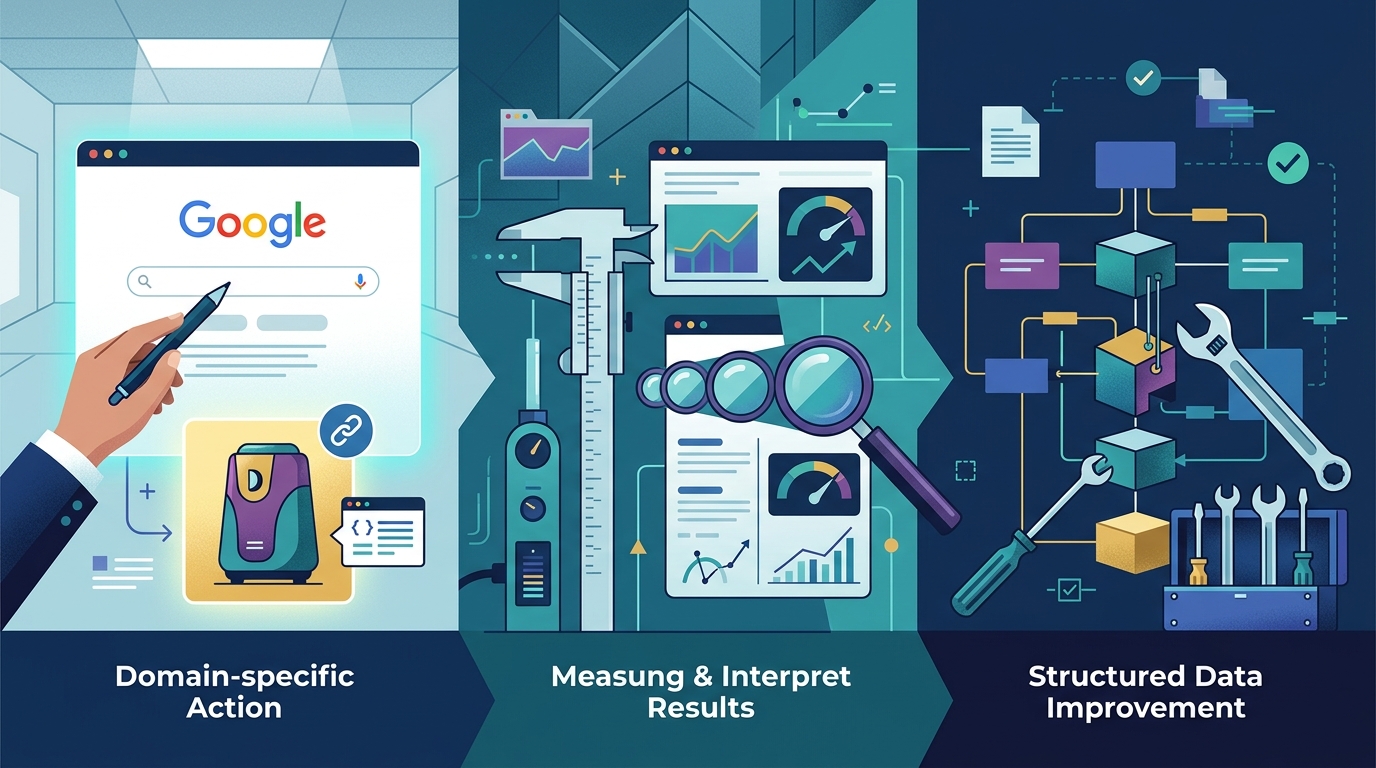
Understanding Citation Signals
Citation signals are the factors that influence whether an AI model includes your business in its response. These signals are not always visible to the user, but they determine how the model perceives your authority and relevance. Understanding these signals helps you optimize your online presence for AI discovery.
Content Relevance and Specificity
AI models prefer content that directly answers the user's question. If your website has a page that specifically addresses a common query, you are more likely to be cited. For instance, a page titled "Emergency Dental Care in [City]" is more likely to be cited for an emergency query than a generic "Services" page. Specificity helps the model match your content to the user's intent.
Authority and Trustworthiness
AI models also consider the authority of the source. Websites with strong domain authority, clear contact information, and consistent branding are more likely to be trusted. Ensure your website has a professional design, accurate business information, and clear navigation. These elements signal to the AI that your business is legitimate and reliable.
Structured Data and Schema
Structured data helps AI models understand the context of your content. By using schema markup, you can explicitly tell the model what type of business you are, where you are located, and what services you offer. This makes it easier for the model to extract and cite your information accurately.
Structured Data and Markup
Structured data is a standardized format for providing information about a page and classifying its content. It helps search engines and AI models understand the meaning of your content. Implementing structured data is a key step in improving your AI citation visibility.
Local Business Schema
If you operate a local business, local business schema is essential. This schema includes details like your name, address, phone number, and operating hours. It helps AI models associate your business with specific locations and services. Ensure your schema is accurate and up to date, as inconsistencies can reduce your visibility.
Service and Product Schema
For businesses that offer specific services or products, service and product schema can be very effective. This schema allows you to describe your offerings in detail, including prices, availability, and reviews. By providing this information in a structured format, you make it easier for AI models to cite your specific services in response to relevant queries.
Validating Your Markup
After implementing structured data, you should validate your markup to ensure it is error-free. Use validation tools to check for syntax errors and missing fields. Invalid markup can prevent AI models from understanding your content, which can negatively impact your citation visibility. Regular validation helps you maintain a clean and effective structured data implementation.
Monitoring Over Time
AI models are constantly updated with new data, which means your citation visibility can change over time. Monitoring your visibility regularly helps you track these changes and adjust your strategy as needed. Consistent monitoring allows you to identify trends and respond to shifts in how AI engines recommend businesses.
Setting a Testing Cadence
Choose a regular schedule for your manual prompt tests. Monthly testing is a good starting point for most businesses. This frequency allows you to catch significant changes without becoming too time-consuming. If you are in a highly competitive industry, you may want to test more frequently, such as every two weeks.
Tracking Competitor Visibility
It is also useful to monitor how your competitors are cited. Use the same prompts you use for your own business and see if your competitors are mentioned. This can provide insights into what is working for them and where you might have an opportunity to differentiate your brand. Competitor analysis helps you understand the competitive landscape in AI search.
Adjusting Your Strategy
Use your monitoring data to inform your optimization efforts. If you notice that a particular platform is not citing you, investigate why. It may be that your content is not specific enough, or that your structured data is missing. By continuously adjusting your strategy based on your monitoring results, you can improve your AI citation visibility over time.
Common Mistakes to Avoid
Many businesses make mistakes that inadvertently reduce their AI citation visibility. Avoiding these common pitfalls can help you maximize your chances of being recommended by AI assistants. Here are some of the most frequent errors to watch out for.
Inconsistent Business Information
Inconsistent business information across your website and other online platforms can confuse AI models. Ensure that your name, address, and phone number are consistent everywhere. Inconsistencies can reduce your authority and make it less likely that you will be cited. Regularly audit your online presence to ensure consistency.
Lacking Specific Content
Generic content is less likely to be cited by AI models. If your website only has broad, high-level information, you may not be specific enough to be recommended for particular queries. Create content that directly addresses specific questions and problems your customers face. This specificity helps AI models match your content to user intent.
Ignoring Structured Data
Failing to implement structured data is a common oversight. Without schema markup, AI models have to guess the context of your content, which can lead to inaccuracies or missed citations. Implementing structured data is a straightforward way to improve your visibility and ensure that your information is understood correctly.
Key Takeaways
- Manual prompt testing is the most direct way to verify AI citations.
- Test across multiple AI platforms to get a complete picture of your visibility.
- Use natural language questions that mimic real customer intent.
- Structured data and schema markup help AI models understand your content.
- Consistent business information across all platforms is crucial for authority.
- Monitor your visibility regularly to track changes and adjust your strategy.
- Specific, problem-solving content is more likely to be cited than generic content.
- Competitor analysis can provide insights into effective AI visibility strategies.
Frequently Asked Questions
How often should I test my AI visibility?
Monthly testing is a good starting point for most businesses. If you are in a highly competitive industry, you may want to test more frequently, such as every two weeks. Consistent testing helps you track changes and adjust your strategy as needed.
Which AI platforms should I test?
You should test on at least three major platforms, such as ChatGPT, Gemini, and Perplexity. Each platform uses different data sources and ranking algorithms, so testing across multiple engines gives you a more complete picture of your overall AI visibility.
What is structured data?
Structured data is a standardized format for providing information about a page and classifying its content. It helps search engines and AI models understand the meaning of your content. Implementing structured data is a key step in improving your AI citation visibility.
How does AI decide which businesses to cite?
AI models consider factors like content relevance, authority, and structured data. They prefer content that directly answers the user's question and comes from a trusted source. By optimizing these factors, you can improve your chances of being cited.
Can I control what AI models say about my business?
You cannot directly control what AI models say, but you can influence their perception of your business by optimizing your online presence. Providing accurate, specific, and well-structured information increases the likelihood that AI models will cite you positively.
What should I do if I am not being cited?
If you are not being cited, start by checking your structured data and ensuring your business information is consistent. Create more specific content that directly addresses common customer questions. You may also want to test different prompts to see if you are being cited for other queries.
Is AI visibility the same as SEO?
AI visibility and SEO are related but distinct. SEO focuses on ranking in traditional search engine results, while AI visibility focuses on being cited in AI-generated answers. Both are important, but they require different optimization strategies.
How can I track my AI visibility over time?
You can track your AI visibility by keeping a log of your manual prompt tests. Record the exact prompt, the date, the platform, and whether your business was mentioned. This documentation helps you track changes over time and identify trends.