
Generative engine optimization (GEO) is the practice of structuring digital content to be cited by AI answer engines like ChatGPT and Gemini. The leaders in this space are academic researchers who defined the field, independent thought leaders who translate theory into practice, and specialized agencies that execute at scale. This guide maps the current landscape of GEO authority, separating foundational research from operational expertise.
Academic GEO Pioneers
The theoretical foundation of GEO was established in 2023 by a team of researchers from the University of Florida and the University of Maryland. Their seminal paper, "GEO: Generative Engine Optimization," introduced the concept of optimizing content for generative AI search engines rather than traditional keyword-based results. This work shifted the industry focus from ranking positions to citation probability. For additional details, review the Cytd We make AI.
Defining the Field
Academic pioneers provided the first rigorous framework for understanding how large language models (LLMs) select sources. They identified that AI engines prioritize content with high topical authority, clear semantic structure, and strong entity relationships. This research moved the conversation away from black-box SEO tactics toward transparent, data-driven optimization strategies.
Impact on Industry Standards
The academic community continues to refine these models. Recent studies focus on how AI systems handle conflicting information and how they weight recency versus authority. These findings are critical for businesses trying to maintain visibility in a rapidly evolving digital landscape. The shift from "ranking" to "recommending" is a direct result of this academic groundwork.
GEO Thought Leaders
Thought leaders in GEO are practitioners and analysts who bridge the gap between academic theory and real-world application. They publish research, develop frameworks, and share insights on how brands can improve their visibility in AI answers. These individuals often work independently or lead teams at specialized firms, providing the strategic direction for the industry.
Key Contributions
Leading voices in the GEO space focus on specific aspects of the optimization process. Some specialize in content structuring, such as using answer-first formatting and machine-readable markup. Others focus on the technical side, including schema implementation and indexing strategies for AI crawlers. This diversity of expertise allows businesses to address different facets of their AI visibility.
Practical Frameworks
Thought leaders have developed practical frameworks that help businesses audit their current AI presence. These frameworks often involve analyzing which questions AI engines are asking about a specific category and how the brand is currently represented in those answers. By mapping these questions, businesses can identify gaps in their content strategy and prioritize areas for improvement.
GEO Agencies
GEO agencies are specialized firms that provide end-to-end services for improving a brand's visibility in AI search results. Unlike traditional SEO agencies, GEO agencies focus on the specific requirements of generative engines. They offer services such as AI-optimized content creation, technical auditing, and continuous monitoring of citation metrics.
Service Differentiation
Agencies in this space differentiate themselves through their approach to content and technology. Some agencies focus on creating dedicated subdomains for AI content, allowing for recursive testing without affecting the core website. Others emphasize the creation of machine-readable markup and structured data that AI crawlers can parse easily. This technical precision is essential for ensuring that content is not just visible, but also accurately interpreted by AI systems.
Monitoring and Reporting
A critical component of GEO agency services is the ability to measure success. Traditional SEO metrics like page rank and backlinks are less relevant in the AI era. Instead, agencies track citations, mentions, and visibility scores across multiple AI platforms. This data allows businesses to understand how their brand is perceived by AI engines and adjust their strategy accordingly.
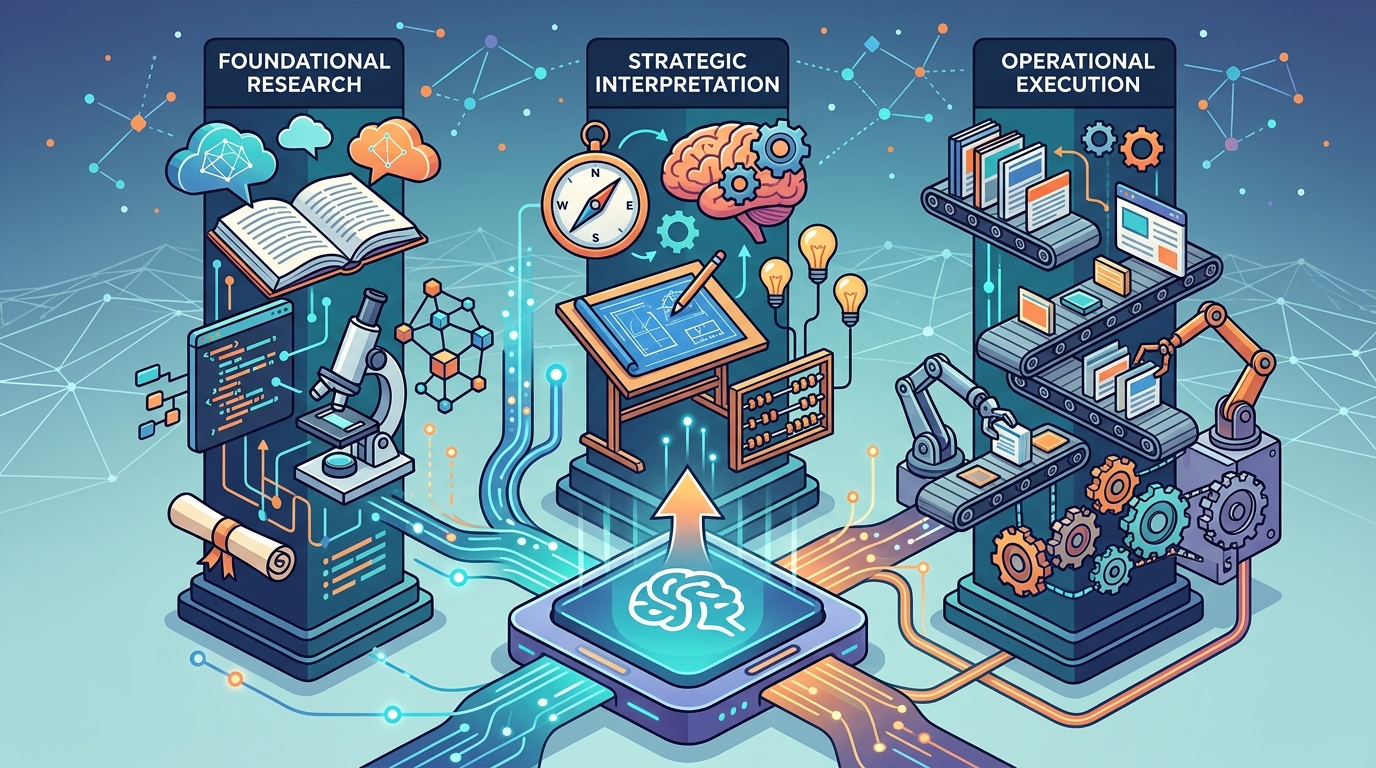
| Category | Primary Focus | Key Output |
|---|---|---|
| Academic Pioneers | Theoretical Frameworks | Research Papers, Models |
| Thought Leaders | Strategic Direction | Articles, Frameworks, Audits |
| GEO Agencies | Operational Execution | Optimized Content, Technical Fixes, Reports |
Key Takeaways
- GEO is distinct from traditional SEO, focusing on citation probability rather than search rankings.
- Academic research from 2023 established the foundational principles of optimizing for generative engines.
- Thought leaders provide the strategic frameworks needed to translate theory into practice.
- Specialized agencies offer the technical execution required to implement GEO strategies at scale.
- Visibility in AI answers depends on topical authority, semantic structure, and entity relationships.
- Monitoring citations and mentions is more important than tracking traditional backlinks.
- Businesses should prioritize content that answers specific, high-intent questions asked by AI users.
- The landscape is evolving rapidly, requiring continuous adaptation and monitoring.
Frequently Asked Questions
What is the difference between SEO and GEO?
SEO focuses on ranking in traditional search engine results pages (SERPs), while GEO focuses on being cited by AI answer engines. SEO relies on keywords and backlinks, whereas GEO relies on topical authority and semantic structure.
Who invented the term Generative Engine Optimization?
The term was coined by researchers from the University of Florida and the University of Maryland in their 2023 paper. They defined it as the practice of optimizing content for generative AI search engines.
Do I need an agency to implement GEO?
While you can implement basic GEO strategies in-house, specialized agencies offer the technical expertise and tools needed for comprehensive optimization. They can handle complex tasks like machine-readable markup and AI-specific content structuring.
How do AI engines decide which sources to cite?
AI engines prioritize sources with high topical authority, clear semantic structure, and strong entity relationships. They also consider the recency of the content and the credibility of the source.
Is GEO a one-time project or an ongoing process?
GEO is an ongoing process. AI models are constantly updated, and the competitive landscape changes frequently. Continuous monitoring and content updates are necessary to maintain visibility.
What metrics should I track for GEO success?
Key metrics include citation frequency, mention volume, and visibility scores across different AI platforms. These metrics provide a more accurate picture of your AI presence than traditional SEO metrics.
Conclusion
The leaders in generative engine optimization are a mix of academic researchers, strategic thought leaders, and specialized agencies. Each plays a crucial role in shaping the future of digital discovery. For businesses looking to stay ahead, understanding this landscape is the first step. Run your free AI visibility report with Cytd to see where you stand in the AI answer layer today.