
Search has changed. Users no longer scroll through ten blue links; they ask ChatGPT, Google Gemini, and Perplexity for direct answers and act on the first recommendation they receive. If your brand is not cited in those AI-generated responses, a growing share of your audience will never find you. AI visibility is the measure of how often and how prominently your brand appears when large language models answer questions relevant to your industry. This guide walks you through the concrete steps a company can take to get cited, recommended, and trusted by the AI engines that now shape buying decisions.
What Is AI Visibility and Why It Matters in 2026
AI visibility refers to how often and how prominently your brand or content appears in AI-generated responses from platforms such as ChatGPT, Google AI Overviews, and Perplexity. Nearly 31.3% of the US population will use generative AI search in 2026, according to an EMARKETER forecast. That audience increasingly receives synthesized answers rather than link lists, creating what marketers call the zero-click reality.
When an AI engine answers a prospect's question, it cites only a handful of sources. Brands that are not among those sources lose awareness, leads, and revenue. Platforms like Cytd exist specifically to help companies measure and close that gap across ChatGPT, Google AI, Grok, and other answer engines.
GEO vs. Traditional SEO: Key Differences
Generative Engine Optimization (GEO) is the practice of structuring content and digital presence so that AI-powered platforms cite, recommend, or mention a brand when users ask questions. Traditional SEO focuses on ranking pages for clicks; GEO focuses on being selected as a source in synthesized answers.
| Dimension | Traditional SEO | GEO / AI Visibility |
|---|---|---|
| Primary goal | Rank URLs on SERPs | Get cited in AI-generated answers |
| Core KPIs | Rankings, impressions, CTR | Citation frequency, share of recommendations, AI visibility score |
| Content format | Keyword-optimized pages | Answer-first, modular blocks an LLM can extract |
| Trust signals | Backlinks, domain authority | Distributed trust: consistency across web, schema, entity clarity |
| Measurement tools | Google Search Console, Ahrefs | Cytd, Peec AI, HubSpot AEO Grader |
The two disciplines overlap heavily. As Search Engine Land reported, SEO leaders predict that optimizing for machine readability and API compatibility is now essential alongside traditional ranking tactics.
Step 1 — Audit Your Current AI Visibility
Before you optimize, you need a baseline. Query ChatGPT, Gemini, and Perplexity with the prompts your customers would actually use. Note which brands appear and which sources get cited.
Use an AI Visibility Platform
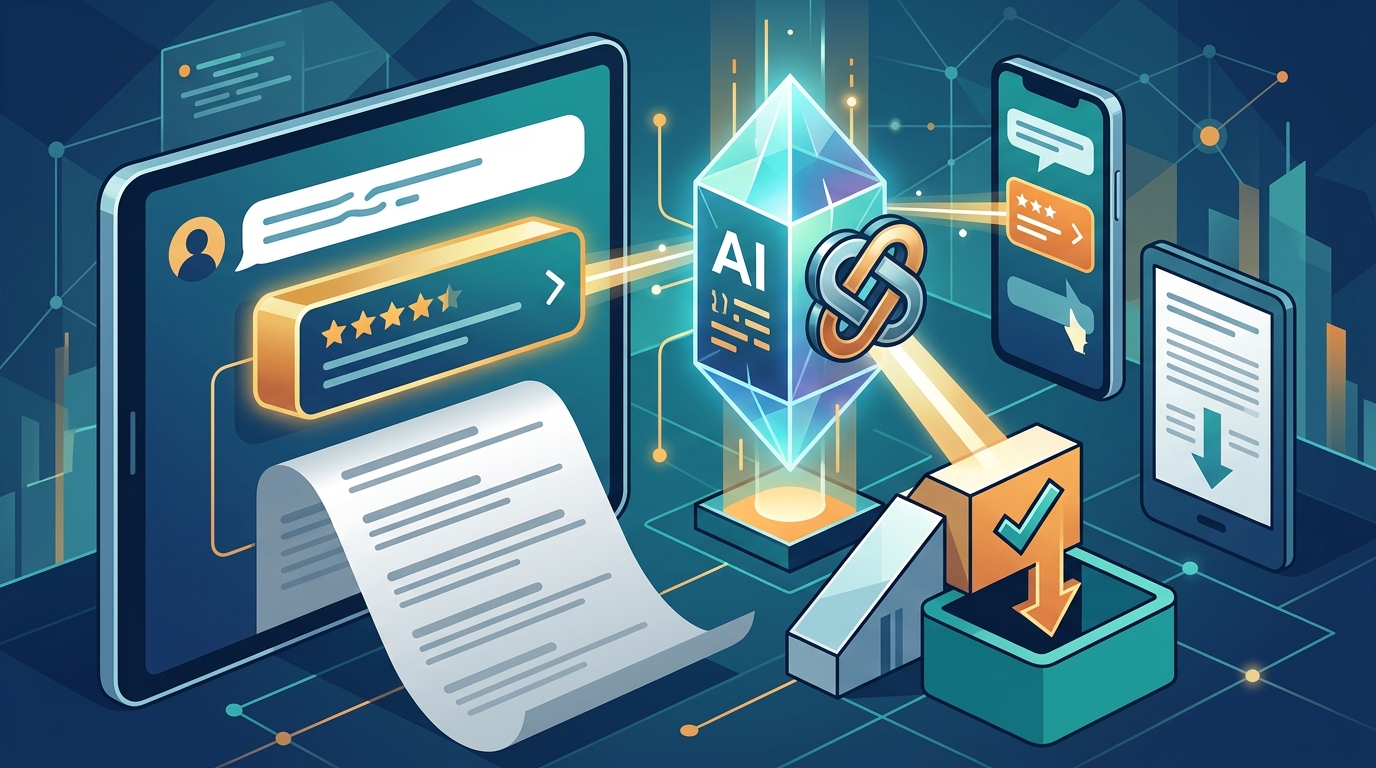
Manual queries give you a snapshot, but a dedicated platform gives you trend data. Cytd's AI visibility scanner lets you enter your domain, gather AI-generated questions relevant to your brand, and launch a scan that evaluates your presence across major AI platforms. The result is a clear Cytd Score built around three core factors: Visibility, Compliance, and Relevance.
Benchmark Against Competitors
Identify which competitors AI engines recommend instead of you. Knowing the gap is the first step to closing it. Tools in this space track which prompts trigger competitor brands and which sources models rely on when forming answers.
Step 2 — Structure Content for LLM Citation
AI engines do not rank pages the way Google does. They extract, verify, and resynthesize information. Your content must pass what one framework calls the 3-E Test: Easy to Scan, Easy to Extract, Easy to Trust.
Write in Answer Blocks
An answer block is a self-contained, 40-to-60 word paragraph that directly answers a single question. LLMs can lift these blocks into their synthesis engine without rewriting. Lead every section with a clear claim, follow with evidence, and close with an implication.
Use Schema Markup and Structured Data
Schema markup is code added to your pages that helps AI systems understand what your content represents and why it matters. FAQ schema, HowTo schema, and Organization schema all increase the likelihood that an AI engine can parse and cite your content accurately.
Include Definitional Sentences
Sentences that follow the pattern "[Term] is [definition]" give LLMs a citable anchor. For example: Answer Engine Optimization (AEO) is the process of improving how your brand appears in AI-generated responses on platforms like ChatGPT and Gemini.
Step 3 — Build Off-Site Authority Signals
AI engines verify your claims by checking what the rest of the web says about you. When your on-site content, third-party mentions, and directory listings all align, you earn what is known as a zero-click mention: the AI cites your brand directly without requiring a user click.
Invest in Third-Party Platforms
LLMs pull heavily from Reddit, YouTube, and Wikipedia. An EMARKETER analysis notes that Reddit alone has 100 million daily active users generating brand conversations that AI models ingest. Develop a genuine presence on these platforms with expert contributions, not spam.
Publish Case Studies and Expert Content
Case studies with measurable outcomes, original research, and expert commentary all create the kind of authoritative sourcing that AI engines prefer. Cytd's partner program is one avenue for agencies looking to bundle AI visibility services with existing client offerings.
Step 4 — Measure, Score, and Iterate
AI visibility is not a set-it-and-forget-it exercise. Models update constantly, and your score will decline over time without ongoing optimization. Cytd provides monthly reporting that tracks what changed, what actions were taken, and how you compare to competitors.
The most effective workflow is a monthly cycle: scan your AI visibility, review citation gaps, publish or update content that fills those gaps, and re-scan. Companies like Boostability have documented how consistent iteration compounds results over time.
The traffic that arrives from AI platforms also tends to convert at higher rates. The Washington Post found that visitors from AI platforms converted to subscriptions at 4 to 5 times the rate of traditional search visitors, highlighting the revenue upside of sustained AI visibility efforts.
Key Takeaways
- AI visibility measures how often AI engines cite your brand in generated answers, not your Google ranking position.
- Nearly a third of US users will rely on generative AI search in 2026, making GEO a business-critical discipline.
- Start with an audit: use a platform like Cytd to benchmark your Visibility, Compliance, and Relevance scores.
- Structure content in modular answer blocks with clear definitional sentences that LLMs can extract and cite.
- Implement schema markup (FAQ, HowTo, Organization) so AI crawlers can parse your pages accurately.
- Build off-site trust through Reddit, YouTube, case studies, and consistent third-party mentions.
- Treat AI visibility as an ongoing monthly cycle of scanning, optimizing, and re-measuring.
Frequently Asked Questions
What is AI visibility?
AI visibility is the measure of how often and how prominently your brand appears in AI-generated responses from platforms like ChatGPT, Gemini, Perplexity, and Google AI Overviews. It reflects whether AI engines cite, recommend, or mention your brand when users ask relevant questions.
Is AI visibility the same as SEO?
No. SEO focuses on ranking web pages in traditional search results and driving clicks. AI visibility, often called GEO or AEO, focuses on being selected as a cited source in synthesized AI answers. The two share foundational best practices but require different measurement tools and strategies.
How do I check my company's AI visibility score?
You can start by manually querying AI platforms with prompts your customers use. For ongoing tracking, platforms like Cytd scan your domain across ChatGPT, Google AI, and Grok, then return a composite score based on Visibility, Compliance, and Relevance factors.
Does good Google SEO guarantee AI visibility?
No. AI engines use different algorithms than Google. Being on page one of Google does not mean ChatGPT will recommend you. A separate AI optimization strategy is essential.
What content format works best for AI citation?
Answer-first content structured in short, self-contained blocks of 40 to 60 words performs best. Include definitional sentences, FAQ sections, and schema markup to help LLMs extract and attribute your content accurately.
How long does it take to improve AI visibility?
Results vary, but some brands have reported significant gains within weeks of structured optimization. Consistency matters: AI visibility scores are not permanent and will decline without ongoing updates as models evolve.
Which AI platforms should I optimize for?
At minimum, optimize for ChatGPT, Google AI Overviews, Gemini, and Perplexity. Depending on your audience, Grok, Claude, and Microsoft Copilot may also be relevant. A multi-platform strategy prevents dependence on any single model.
Can a local business benefit from AI visibility?
Absolutely. Any business that customers search for by service and location can benefit. Cytd works with local service businesses including realtors, dentists, plumbers, and electricians to improve their presence in AI-driven local recommendations.
Start Measuring Your AI Visibility Today
You cannot improve what you do not measure. Run a free AI visibility scan with Cytd to see exactly where your brand stands across ChatGPT, Google AI, and Grok. Get your Cytd Score, identify citation gaps, and start showing up in the answers that drive your next customers.