
How to Improve Your Brand's AI Citation Visibility on ChatGPT
When a buyer types a question into ChatGPT, the model returns a short list of brands and sources. If your name is not on that list, you are invisible at the exact moment of discovery. AI citation visibility is the measure of how often and how prominently AI answer engines reference your brand when responding to relevant queries. In 2026, the stakes are enormous: citations on brand queries temporarily fell 41 percent after ChatGPT launched ads in February, and the sources earning those citations shifted permanently. This guide walks you through the proven strategies brands use to earn and keep citations inside ChatGPT and other answer engines.
Why AI Citations Matter More Than Rankings
Traditional search showed ten blue links. AI answer engines show a single synthesized response with two or three cited sources. If your brand is not one of those sources, you effectively do not exist in that moment of buyer research.
The data backs this up. According to the 5W AI Platform Citation Source Index 2026, the top 15 domains capture 68 percent of all consolidated AI citation share. That concentration is far more extreme than traditional Google rankings ever produced. Meanwhile, research shows companies cited in AI results see significantly higher conversion rates than those relying on traditional search alone.
Generative Engine Optimization (GEO) is the practice of structuring your brand presence so AI models cite you in their answers. It combines content strategy, earned media, and technical optimization into a unified discipline. Understanding what citation visibility means is the first step toward improving it.
How ChatGPT Selects Sources to Cite
ChatGPT does not index the web the way Google does. It concentrates citations on a small set of high-authority domains. According to the 5W Index, ChatGPT specifically favors Wikipedia, Reddit, Forbes, and Business Insider when assembling answers. Wikipedia alone accounts for 26 to 48 percent of ChatGPT's top-10 citation share.
The Consensus Signal
AI platforms scan for agreement across multiple independent sources before confidently citing a brand. If your product appears consistently across Reddit discussions, review sites, industry publications, and your own website with similar positioning, AI systems gain confidence in recommending you. This multi-source validation is what triggers citations.
Brand Mentions vs. Backlinks
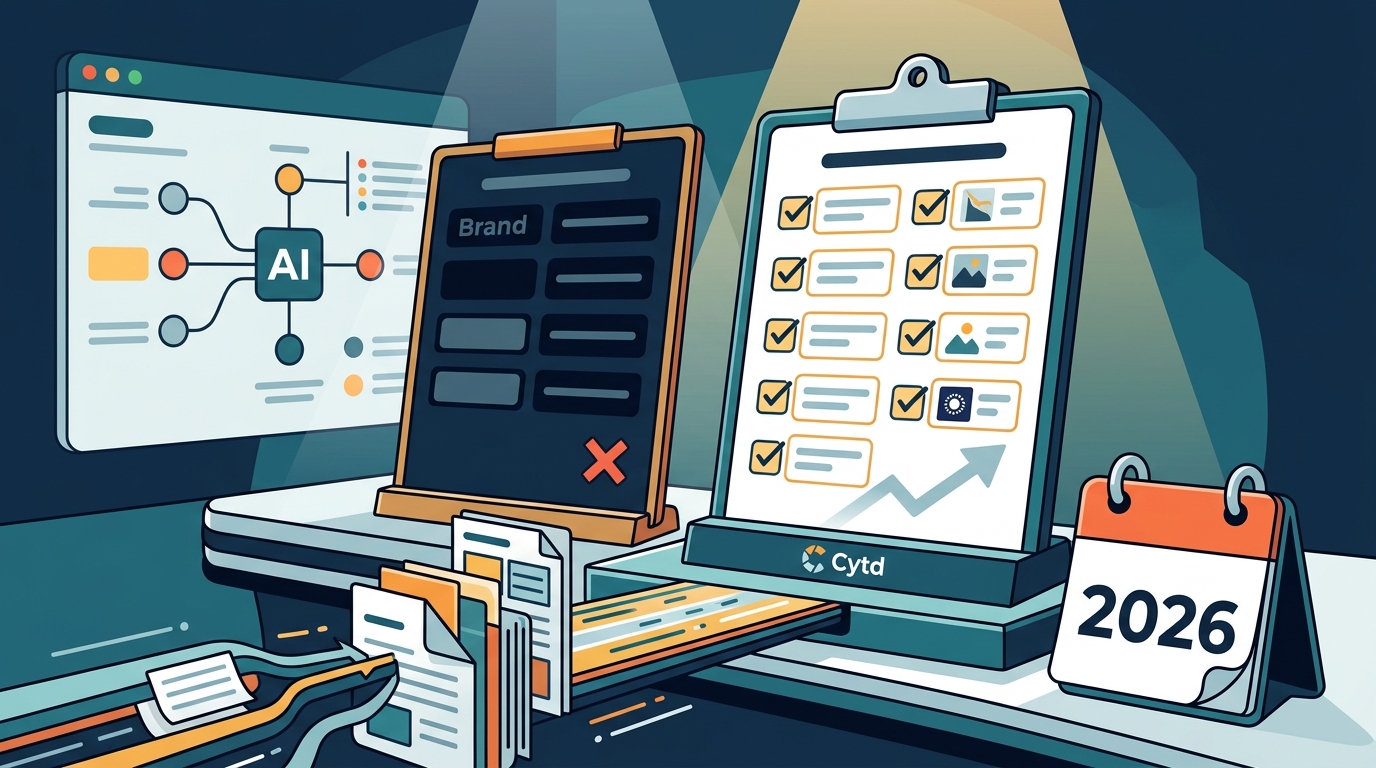
A brand mention is an unlinked reference to your company name in third-party content. In 2026, brand mentions correlate three times more strongly with AI visibility than traditional backlinks do. This fundamentally changes how brands should allocate their digital PR budgets. Learn more about how backlinks relate to AI citations in practice.
| Signal Type | Impact on Traditional SEO | Impact on ChatGPT Citations |
|---|---|---|
| Backlinks | High | Moderate |
| Brand Mentions (unlinked) | Low | High (3x correlation) |
| Structured Data / Schema | Moderate | High |
| Content Freshness | Moderate | Very High (25.7% fresher preference) |
| Wikipedia Presence | Low | Very High (26-48% citation share) |
| Reddit Discussions | Low | High (~40% cross-platform) |
Build Consensus Signals Across the Web
Earning a ChatGPT citation requires your brand to show up across the sources AI models trust most. The 5W Index categorizes these into six functional buckets: Community and Conversation, Encyclopedic and Reference, Professional and Identity, Video and Audio, Editorial and News, and Commerce and Review.
Prioritize the Top 15 Sources
Before chasing the long tail, audit your presence across the top 15 citation sources. These domains absorb 68 percent of the AI answer pipeline. Ensure your brand has accurate, up-to-date profiles or mentions on Reddit, Wikipedia, Forbes, YouTube, LinkedIn, and major review platforms. Use a tool like Cytd's complete guide to map your current coverage.
Earn Media Placements Strategically
Journalism accounts for 27 percent of all AI citations, rising to 49 percent on time-sensitive queries. Target publications that AI models actually pull from, not just those with high domain authority. ChatGPT and Perplexity have distinct citation behaviors, so map your media targets to each platform's patterns.
Optimize Content for Citation-Grade Extraction
On-page optimization still accounts for roughly 25 percent of citation potential, and it is the lever you control directly. Peer-reviewed GEO research from Princeton, Georgia Tech, and IIT Delhi found that adding statistics to content improves AI visibility by 41 percent, while fluency optimization improves it by 15 to 30 percent.
An answerable content format is a structure where clear questions are followed by concise two-to-three-sentence answers. AI systems extract quotable passages to include in responses, so content structured this way is significantly more citable than long narrative prose. Review content optimization strategies for detailed formatting guidance.
Use structured data and schema markup on every key page. Google's AI features draw heavily from structured signals, and ChatGPT increasingly prioritizes scannable, structured data over educational blog posts.
Keep Content Fresh and Updated
Content freshness is a recency signal that AI platforms use to prioritize newer, more relevant sources. AI platforms cite content that is 25.7 percent fresher on average than what appears in traditional search results. Pages updated within the past two months earn 28 percent more citations than older content.
ChatGPT shows the strongest preference for new content, citing URLs that are 393 to 458 days newer than comparable Google results. Pages that go more than three months without an update are three times more likely to lose AI visibility. Build a quarterly refresh cycle into your content calendar and track the impact using your AI visibility score.
Measure Your AI Visibility Continuously
You cannot optimize what you cannot measure. AI citation tracking platforms run prompts against major AI engines, parse the responses, and report how often your brand was named, which URLs were cited, and where competitors appeared instead of you.
Citation share is volatile. ChatGPT's Reddit citation share fell from roughly 60 percent to 10 percent in just six weeks in late 2025 after a single parameter change. That kind of volatility means continuous monitoring is essential. Platforms like Cytd help brands measure and improve their AI citation visibility across ChatGPT, Google AI, Grok, and other answer engines with ongoing tracking and actionable recommendations.
Key metrics to monitor include citation rate, mention share, sentiment analysis, competitive share, and conversion attribution from AI-referred traffic. Explore the state of AI search for current benchmarks.
Key Takeaways
- AI answer engines cite only two to three brands per query. If yours is missing, you lose the discovery moment entirely.
- The top 15 domains capture 68 percent of all AI citation share. Audit your presence there first.
- Brand mentions now correlate 3x more strongly with AI visibility than backlinks.
- Adding statistics to content can improve AI visibility by up to 41 percent.
- Content freshness matters: pages updated within two months earn 28 percent more citations.
- Citation share is volatile week to week. Continuous measurement is non-negotiable.
- Each AI platform (ChatGPT, Perplexity, Google AI) has distinct citation behaviors requiring tailored strategies.
Frequently Asked Questions
What is AI citation visibility?
AI citation visibility is the frequency and prominence with which AI answer engines like ChatGPT, Perplexity, and Google AI reference your brand or content in their responses. It is the AI-era equivalent of ranking on page one of Google.
How does ChatGPT decide which brands to cite?
ChatGPT concentrates on high-authority domains including Wikipedia, Reddit, and major publications. It looks for consensus across multiple independent sources before confidently citing a brand in its answers.
Do traditional SEO rankings guarantee ChatGPT citations?
No. According to BrightEdge, 83.3 percent of AI Overview citations come from pages beyond the traditional top-10 Google results. Different ranking factors apply to AI citations.
How often should I update content to maintain AI citations?
At minimum, update key pages every two to three months. Pages that go longer than three months without updates are three times more likely to lose AI visibility. ChatGPT prefers URLs that are significantly newer than typical Google results.
What is Generative Engine Optimization (GEO)?
Generative Engine Optimization is the practice of optimizing your brand's online presence so AI answer engines cite and recommend you. It combines content structuring, earned media strategy, structured data, and continuous visibility measurement.
How did ChatGPT ads affect organic citations?
When ChatGPT launched ads on February 9, 2026, brand query citations fell 41 percent in five weeks. They partially recovered by late March, but the types of sources earning citations shifted toward direct product sites and reviews.
Can I track my brand's AI citation performance?
Yes. Dedicated platforms like Cytd monitor how your brand appears across ChatGPT, Google AI, Grok, and other answer engines, tracking citation share, sentiment, and competitive positioning over time.
How important is Wikipedia for ChatGPT visibility?
Extremely important. Wikipedia accounts for 26 to 48 percent of ChatGPT's top-10 citation share, making it near-foundational material for the model's responses. The 5W Index recommends treating Wikipedia as infrastructure.
Start Improving Your AI Visibility Today
The brands winning AI citations in 2026 are not waiting. They are auditing their presence, optimizing content for extraction, and measuring results continuously. Book a setup call with Cytd to measure your current AI visibility and build a data-driven plan to improve your citation share across ChatGPT and every major answer engine.