
AI-powered search is reshaping how brands get discovered online. Platforms like ChatGPT, Google AI Overviews, and Perplexity no longer return a simple list of blue links. They synthesize answers from trusted sources and cite only a handful of pages. If your content is not structured for this new reality, you are invisible to a fast-growing segment of searchers. Gartner predicts traditional search volume will drop 25% by 2026 due to AI chatbots and virtual agents. This guide walks you through the exact steps to make your website one of the sources AI tools choose to cite.
What Is AI Citation Visibility?
AI citation visibility is the degree to which your website appears as a referenced source inside AI-generated answers. Unlike traditional SEO, where success means ranking on a results page, citation visibility measures whether AI platforms actively quote or link to your content when answering user questions.
Answer Engine Optimization (AEO) is the practice of structuring and enhancing your content so that AI-powered search platforms select it as a cited source when generating answers. It sits within the broader discipline of Generative Engine Optimization (GEO), which encompasses all strategies for improving visibility across generative AI platforms.
The stakes are significant. According to McKinsey research, 44% of AI search users now consider AI their primary source of insight. Brands that earn citations build compounding authority, while those that do not risk fading from discovery entirely.
How AI Answer Engines Select Sources
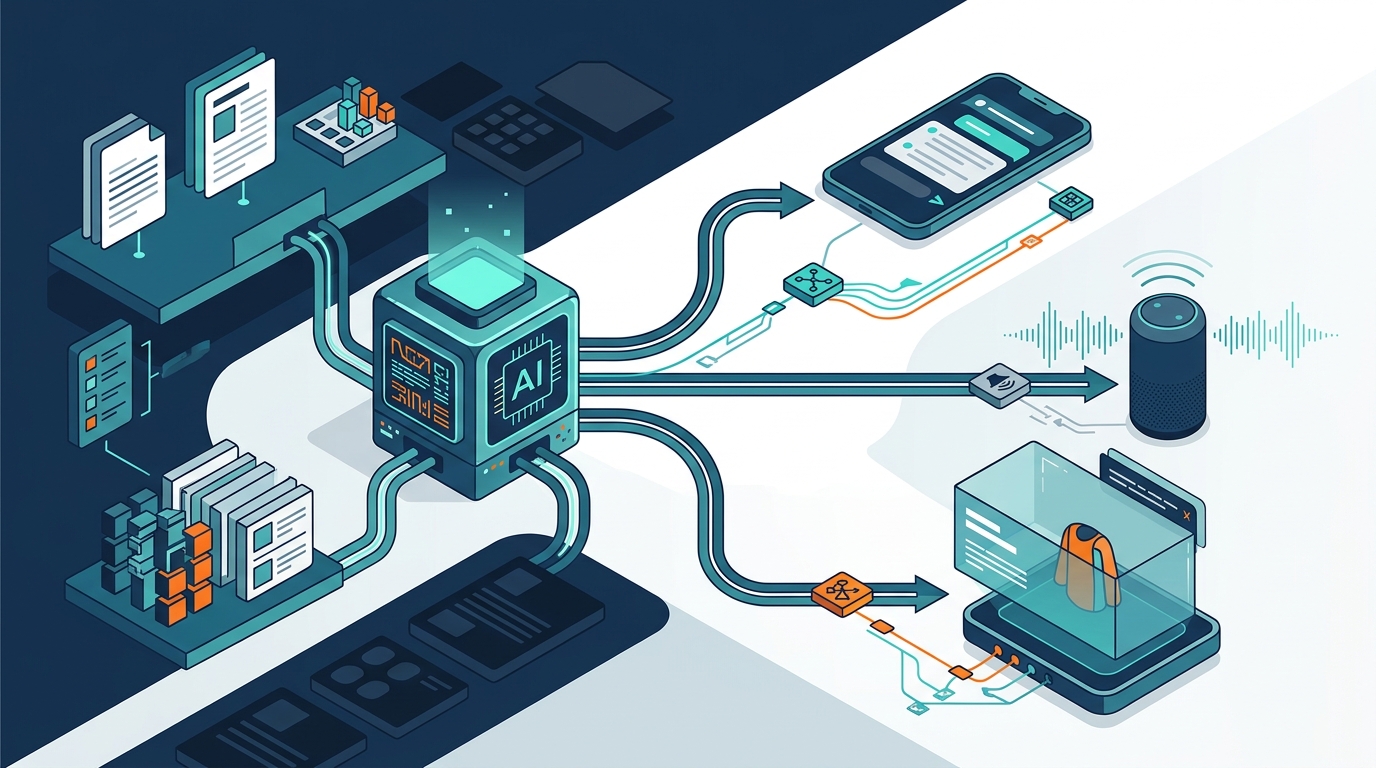
Understanding the retrieval pipeline is essential before optimizing anything. Most modern AI search engines use Retrieval-Augmented Generation (RAG), a multi-step process that determines which content gets cited.
Query Fan-Out
When a user submits a question, the AI does not run a single search. It breaks the question into multiple sub-queries and searches for each one independently. For example, asking "What's the best AEO strategy for a small agency?" might generate three separate searches. Your content needs to match the sub-queries the AI generates, not just the original question.
Retrieval and Ranking
The system searches its index for documents that are semantically relevant. It pulls candidate pages based on conceptual similarity, not keyword overlap alone. Pages with clear, direct answers and strong domain authority rise to the top of the retrieval pool.
Synthesis and Citation
The AI reads top-ranked source documents, extracts key facts and statistics, then rewrites them into a coherent response. Content that provides clear, citable facts with supporting data is more likely to be cited than content that buries insights in long paragraphs. Understanding this pipeline shapes every optimization decision you make, and tools like the LLM citation patterns resource from Cytd can help you see exactly what gets selected.
Structure Content for Extractability
Extractability is how easily an AI system can pull a clean, usable chunk from your page. This is one of the most actionable levers you control.
Lead with Direct Answers
Place the core answer in the first 1-2 sentences of each section. AI models scan for concise, answer-first intros they can extract immediately. Avoid long windups or anecdotal openings before delivering value.
Use Definitional Sentences
Generative Engine Optimization (GEO) is the process of optimizing brand visibility inside AI-generated answers rather than just ranking for search engine listings. Including clear "X is Y" definitions helps AI engines match your content to informational queries with high confidence.
Format for Scanning
Use bullet points, numbered lists, comparison tables, and short paragraphs. Content that is clear, credible, and easy to extract earns citations, while walls of text get skipped. Review the Cytd content optimization guide for detailed formatting templates.
| Content Format | AI Extractability | Best Use Case |
|---|---|---|
| Definition + short paragraph | High | Informational queries |
| Numbered step-by-step list | High | How-to queries |
| Comparison table | Very High | Product/tool evaluations |
| Long narrative essay | Low | Thought leadership (low citation rate) |
| FAQ with concise answers | Very High | Common questions |
Implement Schema Markup and Structured Data
Structured data is no longer optional if you want AI citations. Research indicates that pages with comprehensive schema markup receive 3.2 times more answer engine citations for competitive topics compared to pages with basic or missing markup. At minimum, implement FAQPage, Article, HowTo, and Organization schema on relevant pages.
Schema helps AI engines quickly understand the entities, relationships, and facts on your page. It also improves your chances of appearing in Google AI Overviews, which now appear in roughly 30% of all U.S. search queries. Cytd's visibility scoring breakdown explains how structured data feeds into your overall AI citation score.
Build Cross-Platform Authority
Brand websites make up just 5% to 10% of the sources AI systems cite. The rest comes from third-party platforms like Reddit, Wikipedia, Quora, and news outlets. AI models cross-reference multiple sources before trusting any single brand, so your off-site presence matters enormously.
To build what practitioners call "corroboration density," you need consistent mentions across trusted environments. Participate meaningfully in Reddit discussions, contribute expert commentary to industry publications, and maintain updated profiles on review platforms. When engines fan out and cross-check, they should keep encountering the same clean narrative about your brand.
For a deeper look at how backlinks and third-party mentions feed AI citation, explore the backlinks for AI citations analysis on the Cytd blog.
Measure Your AI Visibility
Traditional SEO metrics like rankings and click-through rates do not capture the full picture of AI performance. You need a dedicated measurement framework built around three dimensions: visibility (are you showing up?), sentiment (how are you described?), and accuracy (is the information correct?).
Practical steps to start tracking today:
- Run 20 target queries monthly across ChatGPT, Perplexity, and Google AI Overviews and record when your site is cited.
- In Google Analytics, track
chatgpt.com/referralandperplexity.ai/referralas dedicated traffic sources. - Monitor branded search volume increases that may indicate hidden AI-driven discovery.
Platforms like Cytd automate this process by continuously measuring your AI citation visibility and ranking potential across ChatGPT, Google AI, Grok, and other answer engines. You can book a setup session to see where your brand currently stands.
Key Takeaways
- AI answer engines cite only a handful of sources per response. Being included requires deliberate optimization.
- Structure every page with answer-first intros, definitional sentences, and scannable formatting.
- Implement FAQPage, Article, and Organization schema markup to improve extractability by up to 3.2x.
- Build authority beyond your own website through Reddit, news mentions, and expert contributions.
- Measure AI visibility separately from traditional SEO using citation tracking and referral analytics.
- AI-referred visitors spend 38% longer on-site and bounce 27% less than traditional organic visitors.
- Start now. The brands optimizing for AI citation today are establishing authority before competitors realize the landscape has shifted.
Frequently Asked Questions
What is the difference between AEO and traditional SEO?
Traditional SEO optimizes content to rank in a list of search results. Answer Engine Optimization structures content to be extracted and cited in AI-generated answers. Both are essential in 2026, as SEO drives organic traffic while AEO builds authority in zero-click environments.
Which AI platforms should I optimize for?
Focus on ChatGPT, Google AI Overviews, Perplexity, and Grok. An analysis of 6.8 million citations found that only 11% of domains receive citations from both ChatGPT and Perplexity, so each platform requires tailored attention.
How does structured data affect AI citations?
Pages with advanced structured data strategies receive 3.2 times more answer engine citations compared to pages with basic or missing markup. FAQPage, Article, and HowTo schemas are particularly effective.
Do backlinks still matter for AI visibility?
Yes. Strong backlink profiles signal authority to both traditional search engines and AI retrieval systems. Additionally, third-party mentions on Reddit, Wikipedia, and news sites build the corroboration density AI models use to validate sources.
How do I measure whether AI tools are citing my website?
Run target queries monthly across major AI platforms and record citations. Track AI-specific referral traffic in Google Analytics. Alternatively, use a dedicated AI visibility measurement platform like Cytd to automate monitoring.
How long does it take to see results from AI optimization?
Most brands see measurable changes in citation frequency within 4 to 12 weeks of implementing structural and schema improvements. Building cross-platform authority takes longer but compounds over time.
Can small businesses compete for AI citations?
Absolutely. AI engines prioritize content clarity and topical authority over domain size. A niche business with well-structured, original content on a specific topic can outperform larger competitors who publish generic material.
What content formats get cited most by AI?
FAQs, comparison tables, numbered step-by-step guides, and pages with clear definitional sentences perform best. These formats map directly to how AI engines search for high-confidence source material.
Start Improving Your AI Citation Visibility Today
The shift from traditional search to AI-powered answers is accelerating. Every week you wait is a week your competitors use to establish themselves as the sources AI trusts. Book a free setup session with Cytd to measure your current AI visibility, identify gaps, and start building the citation presence your brand needs to thrive in 2026 and beyond.