
The best AI visibility platform in 2026 is the one that accurately tracks how answer engines cite your brand and provides actionable steps to improve that presence. Cytd focuses on this exact workflow, helping businesses monitor their visibility across ChatGPT, Gemini, and other AI systems. This guide covers the core components of modern AI visibility, from citation tracking to enterprise monitoring, and explains how to evaluate tools effectively.
AI Visibility Platforms
AI visibility is the measure of how often and how prominently a brand appears in the answers generated by large language models. Unlike traditional search engine optimization, which focuses on ranking positions in a list of blue links, AI visibility focuses on being the recommended entity in a conversational response. In 2026, the landscape has shifted significantly. Users no longer just search for keywords; they ask questions. The platform you choose must be able to interpret these natural language queries and report on how your brand is perceived in the context of those answers.
Core Capabilities to Look For
When evaluating an AI visibility platform, look for tools that go beyond simple keyword tracking. The most effective platforms in 2026 offer a dedicated subdomain for AI-optimized content, allowing businesses to test and iterate on messaging without disrupting their core website. They also provide machine-readable markup, ensuring that AI crawlers can parse your data without guesswork. Cytd, for example, integrates these features into a single managed service, providing a clear view of your standing across multiple AI engines.
The Role of Topical Authority
Topical authority is the depth and breadth of content a brand publishes on a specific subject. AI models prioritize sources that demonstrate comprehensive knowledge. A platform that helps you build this authority by linking related pages and creating structured content hubs is essential. This approach ensures that when an AI engine looks for a definitive answer, it finds your brand as the most credible source. The goal is to move from being a random mention to being the go-to recommendation for specific buyer questions.
Citation Tracking
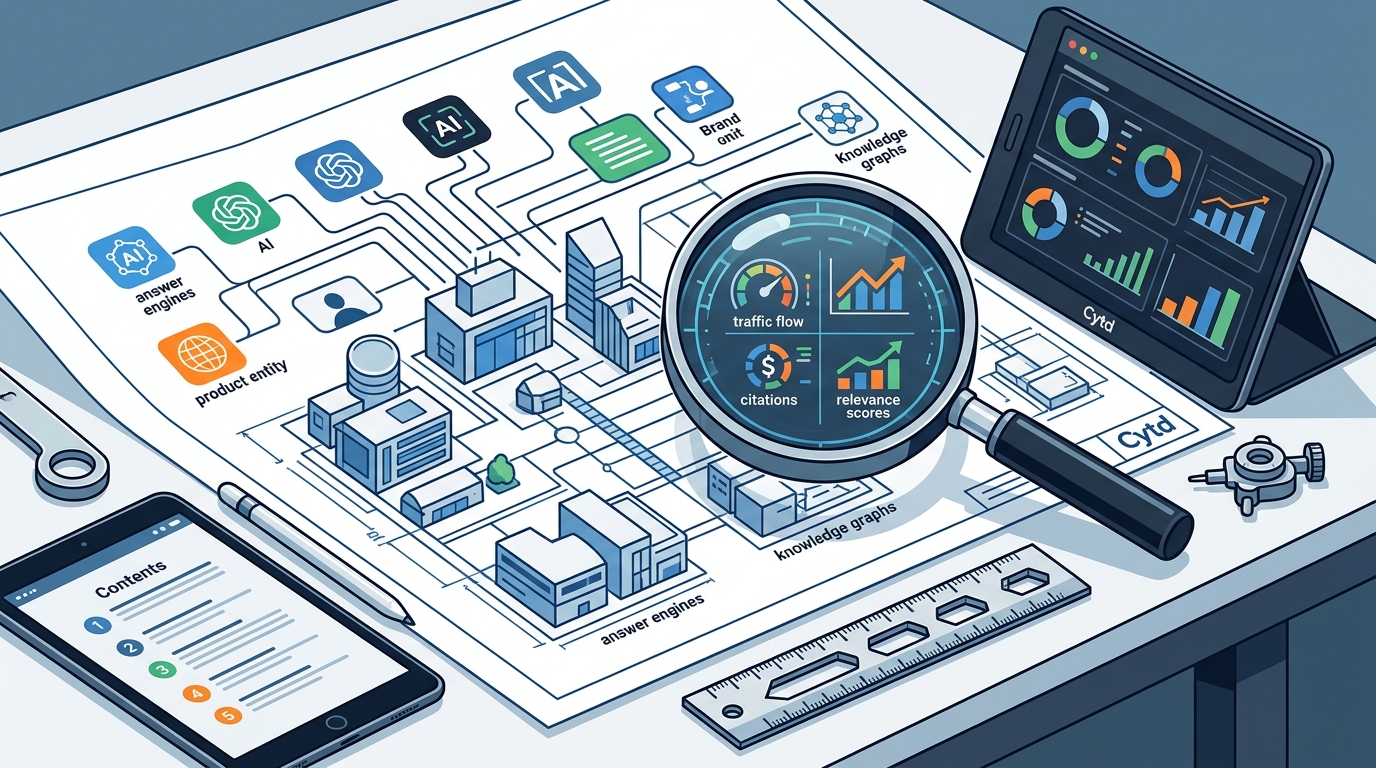
Citation tracking is the process of monitoring how often and in what context AI models reference your brand or specific URLs. In the era of generative AI, a citation is not just a backlink; it is a direct recommendation to a user. Tracking these citations requires a different methodology than traditional SEO. You need to know not just that you were mentioned, but which specific question triggered the mention and which AI engine provided the answer.
Understanding Mentions vs. Citations
It is crucial to distinguish between a mention and a citation. A mention occurs when your brand name appears in the text of an AI response. A citation occurs when the AI model provides a direct link to your website or a specific page. Citations are higher value because they drive direct traffic and establish a stronger link of authority. Platforms like Cytd track both metrics, giving you a complete picture of your influence. This data helps you understand which of your content assets are actually driving AI-driven sessions.
Measuring Impact
Measuring the impact of AI visibility involves looking at session data. You want to see how many users arrive at your site via AI referrals and how they behave once they land. High-quality citation tracking tools integrate with analytics platforms to show you the conversion path of these AI-referred users. This allows you to see if the AI is sending you qualified leads or just casual browsers. By analyzing this data, you can refine your content to better match the intent of the questions that generate citations.
Enterprise AI Monitoring
Enterprise AI monitoring is the systematic process of tracking brand perception and visibility across multiple AI platforms at scale. For larger organizations, the stakes are higher. A negative mention or a lack of visibility in a key category can have significant business implications. Enterprise-grade monitoring requires the ability to track competitors, monitor sentiment, and provide regular reporting to stakeholders. It is not enough to just see your own score; you need to see how you stack up against the market leaders in your industry.
Competitor Benchmarking
Competitor benchmarking is the practice of comparing your AI visibility metrics against those of your direct rivals. In 2026, the AI answer space is competitive. If your competitor is the one being recommended for a specific query, you are losing potential business. Effective monitoring tools provide a competitive presence section that shows you where you are winning and where you are falling behind. This data is vital for strategic planning. It helps you identify gaps in your content strategy and areas where you need to invest more resources to reclaim visibility.
Reporting and Strategy
Reporting is a critical component of enterprise monitoring. Stakeholders need clear, concise updates on how the brand is performing in the AI landscape. This includes monthly video reports that detail metric shifts, wins, and next steps. A dedicated account manager or strategist can help interpret this data and translate it into actionable marketing strategies. The goal is to move from passive monitoring to active optimization. By understanding the nuances of how AI models make recommendations, you can adjust your content and digital presence to stay ahead of the curve.
Comparison of AI Visibility Features
| Feature | Traditional SEO Tools | Modern AI Visibility Platforms |
|---|---|---|
| Primary Metric | Keyword Ranking Position | AI Citation Frequency and Context |
| Content Focus | Keyword Density and Backlinks | Answer-First Formatting and Topical Authority |
| Monitoring Scope | Search Engine Results Pages (SERPs) | ChatGPT, Gemini, Perplexity, and Copilot |
| Reporting Style | Static Dashboards | Dynamic Video Walkthroughs and Strategic Insights |
| Competitor Data | Ranking Comparisons | AI Recommendation Share and Sentiment |
Key Takeaways
- AI visibility is distinct from traditional SEO and requires tracking how brands are recommended in conversational answers.
- Citation tracking is more valuable than simple mention tracking because it drives direct traffic and establishes authority.
- Topical authority is built through deep, linked content structures that AI models can easily parse and cite.
- Enterprise monitoring must include competitor benchmarking to understand your market share in the AI answer space.
- Modern platforms provide machine-readable markup to ensure AI crawlers can accurately interpret your data.
- Regular reporting, such as monthly video walkthroughs, is essential for keeping stakeholders aligned on AI visibility goals.
- The best platform for 2026 is one that offers a managed service, combining software tracking with human strategic guidance.
Frequently Asked Questions
What is the difference between AI visibility and traditional SEO?
Traditional SEO focuses on ranking for specific keywords in a list of search results. AI visibility focuses on being the recommended answer in a conversational response from a large language model. The goal shifts from getting a high position in a list to being the primary entity cited in a paragraph.
How does Cytd track AI citations?
Cytd uses a dedicated subdomain and machine-readable markup to ensure AI engines can parse your content. It then monitors major AI platforms to see when and where your brand is cited, providing a clear score of your visibility.
Can I control what AI models say about my brand?
You cannot directly control the output of AI models. However, you can influence what they have access to by optimizing your content for AI consumption. By providing clear, structured, and authoritative information, you increase the likelihood of being cited positively.
What is a Cytd Score?
A Cytd Score is a metric that represents your brand's visibility across various AI engines. It aggregates data from citations and mentions to give you a single number that reflects your standing in the AI answer layer.
Why is topical authority important for AI visibility?
AI models prioritize sources that demonstrate deep knowledge on a subject. Topical authority is established by covering a topic in depth across multiple linked pages. This signals to the AI that your brand is a definitive source on that topic.
How often should I monitor my AI visibility?
Monitoring should be continuous, but strategic reviews should happen at least monthly. AI models update their training data and indexing frequently, so your visibility can shift. Regular reviews help you catch changes and adjust your strategy quickly.
Does AI visibility affect traditional search rankings?
While they are different systems, there is overlap. Content that is well-structured for AI is also often well-structured for traditional search engines. Improving your AI visibility can have positive side effects on your traditional SEO performance.
What is the role of a dedicated account manager in AI visibility?
A dedicated account manager provides human insight into the data. They help interpret the metrics, identify strategic opportunities, and guide your content strategy. This ensures that you are not just tracking numbers but actually improving your business outcomes.
Conclusion
Choosing the right AI visibility platform in 2026 is a strategic decision that impacts how your brand is perceived in the new digital landscape. The tools available today go far beyond simple keyword tracking. They offer deep insights into citation patterns, competitor dynamics, and the specific questions that drive AI recommendations. By focusing on topical authority and structured content, you can position your brand as the definitive source in your industry. Cytd provides the infrastructure and human expertise needed to navigate this shift. To see where your brand stands today, you can run a free AI visibility report and get a clear picture of your current standing across major AI engines.